I can see mold or keep smelling it
Learn what a useful remediation scope should cover, from the moisture source and containment to cleanup and completion checks.
Learn moreAtlanta Mold Fix · Metro Atlanta
Found visible mold, a musty odor, or damage after a leak? Atlanta Mold Fix helps you understand what needs attention, what to ask, and how to find the right local professional for the property.
Metro Atlanta · Homes, rentals, and commercial properties
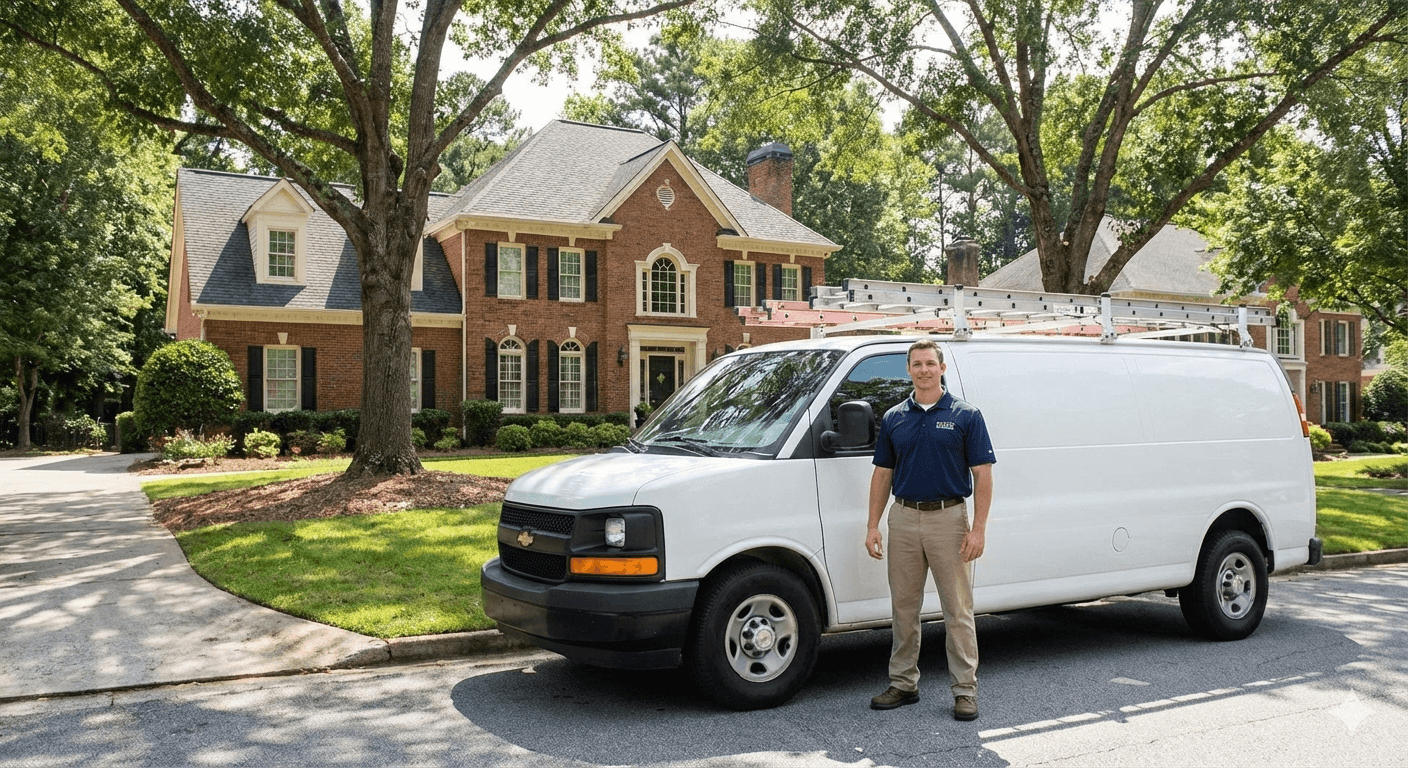
Quick answer
Start by describing the property, where you see or smell the problem, and whether a leak or flood happened recently. Atlanta Mold Fix can help you organize the next step and may connect you with an independent Metro Atlanta provider when professional inspection, drying, or remediation is appropriate.
Mold does not begin with a cleaning-product problem. It begins with water, humidity, or materials that stayed wet. The source has to be found, the affected area has to be understood, and the response has to fit the property.
Atlanta Mold Fix makes that first step less confusing. Tell us what happened and what you can see. We will help you organize the situation and prepare for a useful conversation with a local professional.
Start with your situation
You do not need to diagnose the mold yourself. Choose the description that comes closest to what you are seeing.
Learn what a useful remediation scope should cover, from the moisture source and containment to cleanup and completion checks.
Learn moreAn inspection can trace moisture patterns and decide whether targeted air or surface sampling would answer a real question.
Learn moreCommercial projects need planning for occupants, work zones, documentation, access, and business operations.
Learn moreCheck drainage, leaks, standing water, wood moisture, and ventilation before covering the ground or sealing vents.
Learn moreStop the source when safe, document the loss, and begin drying quickly. Wet materials need prompt attention.
Learn moreTesting is most useful when it answers a defined question and the results are interpreted in the context of the building.
Learn moreCompare the service before you hire
Different problems require different teams, equipment, and written scopes. Use these guides to understand the service before speaking with an independent provider.
Learn how extraction pumps, wet vacuums, air movers, dehumidifiers, moisture monitoring, reconstruction, and source-specific waterproofing fit into a water-loss plan.
Review water damage helpUnderstand when an indoor air quality consultation, air sample, surface sample, or laboratory report can answer a defined building question.
Review IAQ testingCompare selective removal, damp cleaning, HEPA vacuuming, dry ice blasting, soda blasting, air filtration, and the limits of non-toxic marketing claims.
Compare removal methodsSee how drainage, groundwater, liners, sealing, dehumidification, wood moisture, access, maintenance, and warranty exclusions work as one system.
Review crawl-space planningVerify the legal company, on-site supervisor, trained removal team, insurance, line-item scope, professional-grade equipment, exclusions, and change-order process.
Prepare to compare companiesCheck any IICRC-certified claim independently. A ten-year warranty is only useful when the covered work, moisture exclusions, maintenance duties, transfer rules, and remedy are written clearly.
Check credentials and warrantyWhat a sound scope addresses
Roofing, plumbing, drainage, condensation, HVAC operation, or high indoor humidity can keep materials wet. The source must be corrected or explicitly assigned.
Visible growth is only one input. Moisture readings, building history, material condition, and inspection of adjacent spaces help define the work area.
Ask how containment, negative pressure, HEPA filtration, debris handling, and worker entry will be managed for the actual project.
Non-porous and some semi-porous materials may be cleanable; damaged porous materials may require removal. The proposal should be specific.
The completion criteria should be written before work. Larger or sensitive projects may benefit from an independent indoor environmental professional.
Local coverage
Share the complete address when you call so we can understand the property and check the right service area.
Mold and moisture help for homes, rentals, and commercial properties in Metro Atlanta.
Learn moreMold and moisture help for homes, rentals, and commercial properties in Buckhead.
Learn moreMold and moisture help for homes, rentals, and commercial properties in Marietta.
Learn moreMold and moisture help for homes, rentals, and commercial properties in Sandy Springs.
Learn moreMold and moisture help for homes, rentals, and commercial properties in Decatur.
Learn moreMold and moisture help for homes, rentals, and commercial properties in Alpharetta.
Learn moreAtlanta Mold Fix Journal
Use our local guides to understand seasonal moisture, the first days after a leak, and signs that water may be hidden behind finishes.

A local guide to humidity, storms, HVAC condensation, crawl spaces, and the moisture clues that matter during Atlanta's warm season.
Read guide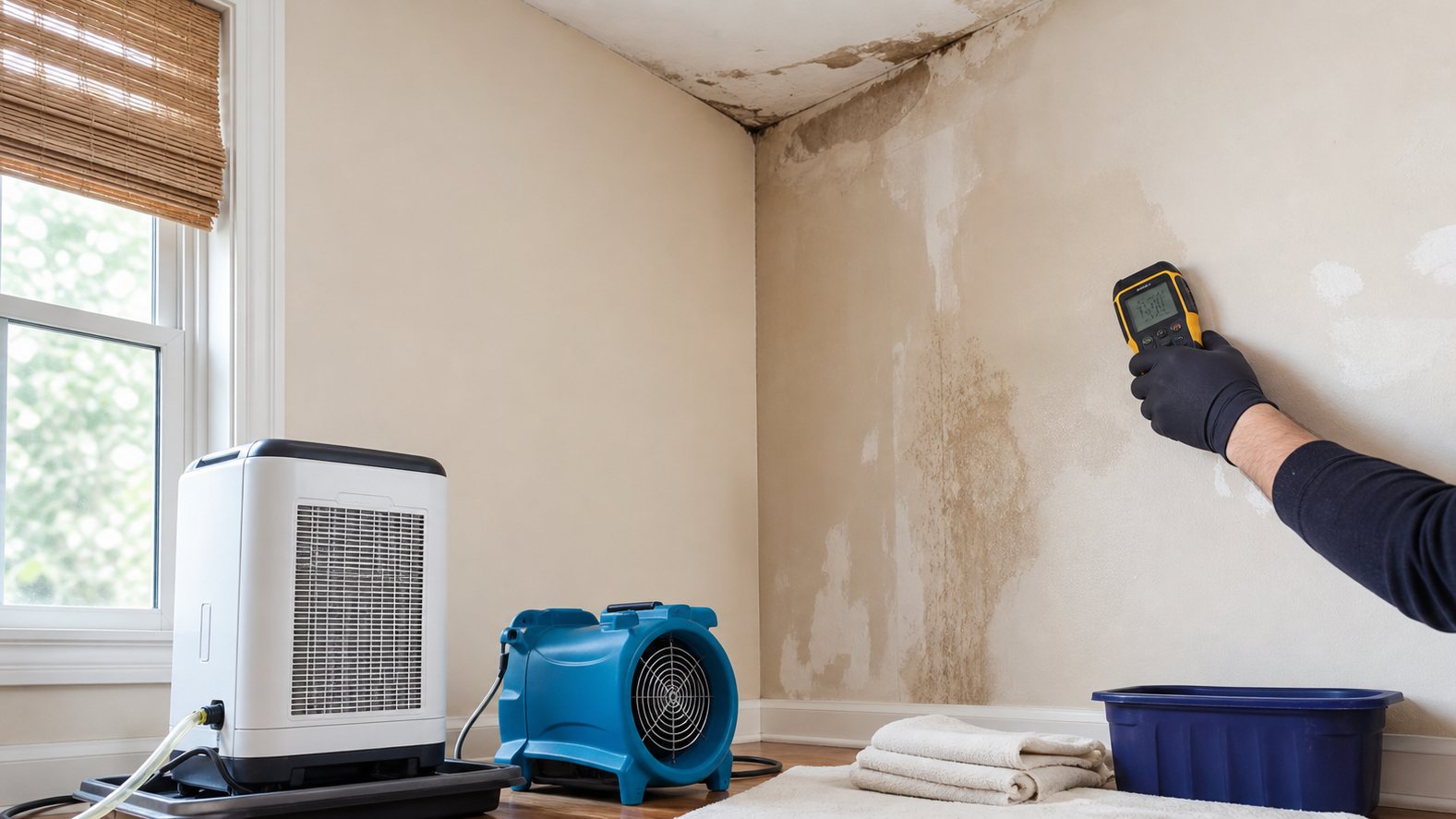
A practical first-72-hours timeline for wet drywall, ceilings, flooring, insulation, and the concealed areas people often miss.
Read guide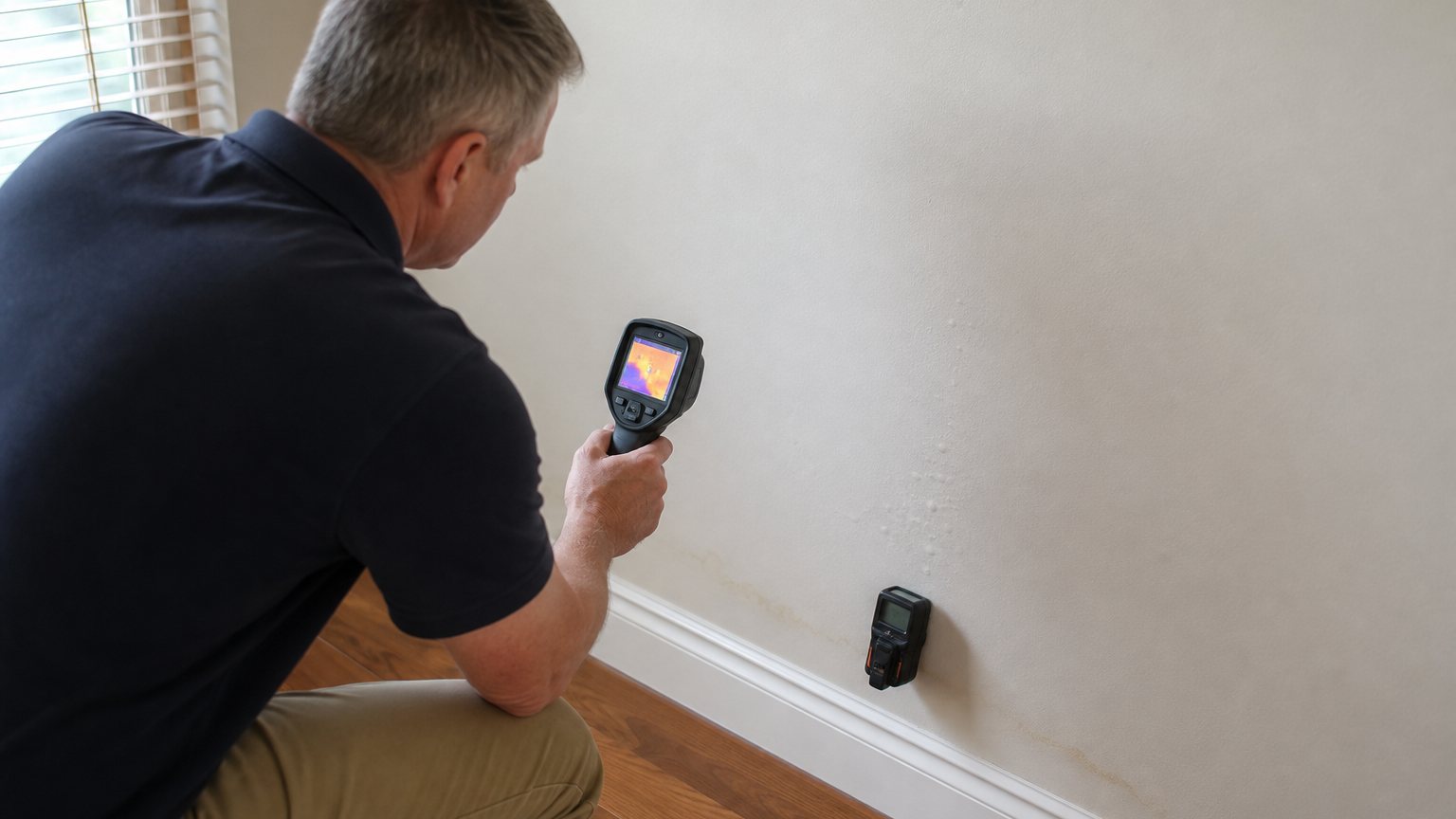
Musty odors, bubbling paint, soft drywall, and past leaks can point to concealed moisture. Learn what inspection tools can—and cannot—prove.
Read guideReliable guidance
EPA says small areas under about 10 square feet can often be handled by homeowners. Larger areas, extensive water damage, contaminated water, HVAC involvement, or health concerns deserve additional care.
Frequently asked questions
We ask about the property, moisture timeline, affected areas, and the kind of help you need. We then help clarify the next step and may connect you with an independent local provider when professional service is appropriate.
EPA recommends additional professional guidance for areas larger than about 10 square feet, extensive water damage, sewage or contaminated water, suspected HVAC contamination, or when occupants have health concerns.
No. If visible growth and the moisture source are clear, sampling may not change the remediation plan. Testing is most useful when it answers a defined question and results will be interpreted in context.
No responsible provider can control future leaks, humidity, drainage, or maintenance. Ask for a written workmanship warranty and clearly defined exclusions instead of an absolute promise.
Atlanta Mold Fix is here to help
Share the address, property type, moisture timeline, and what you are seeing.