A ceiling drip, overflowing appliance, plumbing failure, or storm-related roof leak can leave more moisture behind than the visible puddle suggests. So, how fast does mold grow after a leak? Mold may begin developing on damp materials within roughly 24 to 48 hours under favorable conditions, although the exact timeline depends on temperature, humidity, airflow, the material involved, and how thoroughly the area is dried. In Atlanta’s warm, humid climate, a wet wall cavity, carpet pad, crawl space, or layer of insulation may dry more slowly than the exposed surface.
Quick Answer
- Mold may begin growing within 24 to 48 hours when building materials remain wet.
- Visible growth may not appear immediately, especially inside walls, ceilings, flooring, or insulation.
- Drywall paper, carpet padding, ceiling tiles, and cellulose insulation can be difficult to save after prolonged saturation.
- Atlanta’s humid outdoor air can slow natural drying and increase the need for controlled dehumidification.
- Stopping the leak is only the first step; the affected materials and concealed spaces must also be dried.
- A musty odor, recurring stain, swollen drywall, or lifting flooring may indicate that moisture remains.
The Mold Growth Timeline After a Leak
The practical mold growth timeline begins as soon as water reaches a material that can hold moisture. The commonly cited 24-to-48-hour period is best understood as a drying deadline, not a precise biological countdown: growth may begin sooner in favorable conditions, develop later in other situations, or remain concealed even after the surface looks dry. EPA guidance recommends responding to water damage within 24 to 48 hours because prompt drying may prevent a larger mold remediation problem.
0–24 Hours
During the first 24 hours, the priority is to stop the water source, remove standing water, and expose all affected materials to drying. Mold may not yet be visible, but drywall, carpet padding, insulation, baseboards, cabinetry, and subflooring can already be absorbing moisture.
A small leak may travel farther than expected. Water from an upstairs bathroom can run along a pipe, collect above a ceiling, enter a wall cavity, or reach flooring several feet from the original source. The stain you see may be only one part of the wet area. Photographing the condition, moving dry belongings away, and checking adjoining rooms can help establish how far the water traveled.
24–48 Hours
Between 24 and 48 hours, the risk of mold growth becomes more significant if materials remain damp. This is the period in which water extraction, dehumidification, air movement, and material removal can make the greatest difference.
Drying should be confirmed rather than assumed. Drywall may feel dry on the painted side while the paper backing or insulation behind it remains wet. Carpet fibers can dry before the pad and subfloor underneath. A ceiling stain may stop spreading even though moisture remains trapped above it. EPA guidance notes that even materials dried within 48 hours should still be checked when there is doubt, because the timeline is a guideline rather than a guarantee that growth has or has not occurred.
48–72 Hours
After 48 hours, wet porous materials require closer evaluation because they may be harder to clean and dry completely. Mold may still be invisible, but musty odors, softened drywall, swelling, discoloration, or damp insulation can begin making the underlying problem easier to recognize.
This stage is also when simply running a household fan may be inadequate. Air must reach the actual wet surface, indoor humidity must be controlled, and water trapped inside assemblies may require access from above, below, or behind. If the leak involved sewage, contaminated floodwater, or another potentially unsafe source, ordinary fans should not be used to circulate air before the contamination is assessed.
3–7 Days and Beyond
After several days, a damp building assembly has had much more time to support mold growth and material deterioration. The affected area may develop visible spotting, a stronger musty odor, peeling paint, warped flooring, sagging ceiling material, or deterioration around baseboards and trim.
Growth may extend beyond the original stain if water moved through insulation, framing, flooring layers, or wall cavities. Cleaning only the visible surface will not resolve moisture that remains behind it. At this point, the work may involve defining the affected area, removing materials that cannot be cleaned or dried, cleaning remaining surfaces, and verifying that the leak and moisture conditions have been corrected.
Why Some Materials Grow Mold Faster Than Others
Materials that absorb water and contain organic matter generally create more favorable conditions for mold than smooth, nonporous surfaces. Paper-faced drywall, carpet backing, wood products, ceiling tiles, cardboard, and some insulation can hold moisture internally, making them difficult to dry from the room side alone.
Hard materials such as tile, metal, glass, and sealed countertops do not absorb water in the same way, but moisture can still collect beneath or behind them. A tile floor may look unaffected while water remains in the underlayment. A vinyl baseboard can conceal damp drywall. A cabinet finish may look dry while the particleboard core swells.
EPA water-damage guidance distinguishes between materials rather than recommending one cleanup method for everything. Some wallboard may be dried in place when it has not swollen and its seams remain intact, while wet ceiling tiles and cellulose insulation generally require replacement. Carpet and its backing must be dried along with the subfloor beneath them.
Factors That Speed Up Mold Growth in Atlanta Homes
Atlanta’s long periods of warm, humid weather can slow evaporation and make water-damaged areas harder to dry without dehumidification. The National Weather Service characterizes summers across north Georgia as having extended spells of warm and humid conditions, with thunderstorms also common during spring and summer.
Several property conditions can make the mold growth timeline shorter or the affected area larger:
- High indoor relative humidity after a storm or HVAC interruption.
- Water trapped in closed wall, ceiling, cabinet, or flooring cavities.
- Wet drywall, carpet padding, wood fiber, paper products, or insulation.
- Limited airflow in closets, crawl spaces, attics, and mechanical rooms.
- An active roof, plumbing, appliance, window, or condensate leak.
- Repeated wetting of materials that never fully dried after an earlier event.
Air conditioning can help control indoor humidity when it is operating correctly, but HVAC systems can also create moisture problems. A clogged condensate line, overflowing drain pan, sweating duct, damaged insulation, or poorly sealed supply boot may keep nearby materials damp. In raised Atlanta homes, moisture may also enter from humid crawl-space air, wet soil, plumbing failures, or poor exterior drainage.
What to Do in the First 48 Hours
The first 48 hours should be used to stop the leak, remove water, expose concealed wet areas, and begin controlled drying. Quick action matters because water can continue moving through porous materials after the visible flow stops, while high humidity can prevent those materials from releasing moisture efficiently.
- Stop the source safely. Shut off the affected plumbing fixture or water supply when appropriate. Do not approach standing water near electrical equipment, outlets, or a damaged ceiling without addressing the electrical risk.
- Document the affected area. Take photographs of staining, standing water, damaged contents, wet flooring, and the apparent source before moving or removing items.
- Remove standing water. Use appropriate extraction equipment for clean water. Water involving sewage, chemicals, or flood contamination requires different protective and cleanup measures.
- Expose wet materials. Move furniture away from walls, lift wet rugs, open cabinet doors, and check the rooms above, below, and beside the visible leak. Damp insulation, carpet padding, and enclosed cavities cannot dry effectively if they remain sealed.
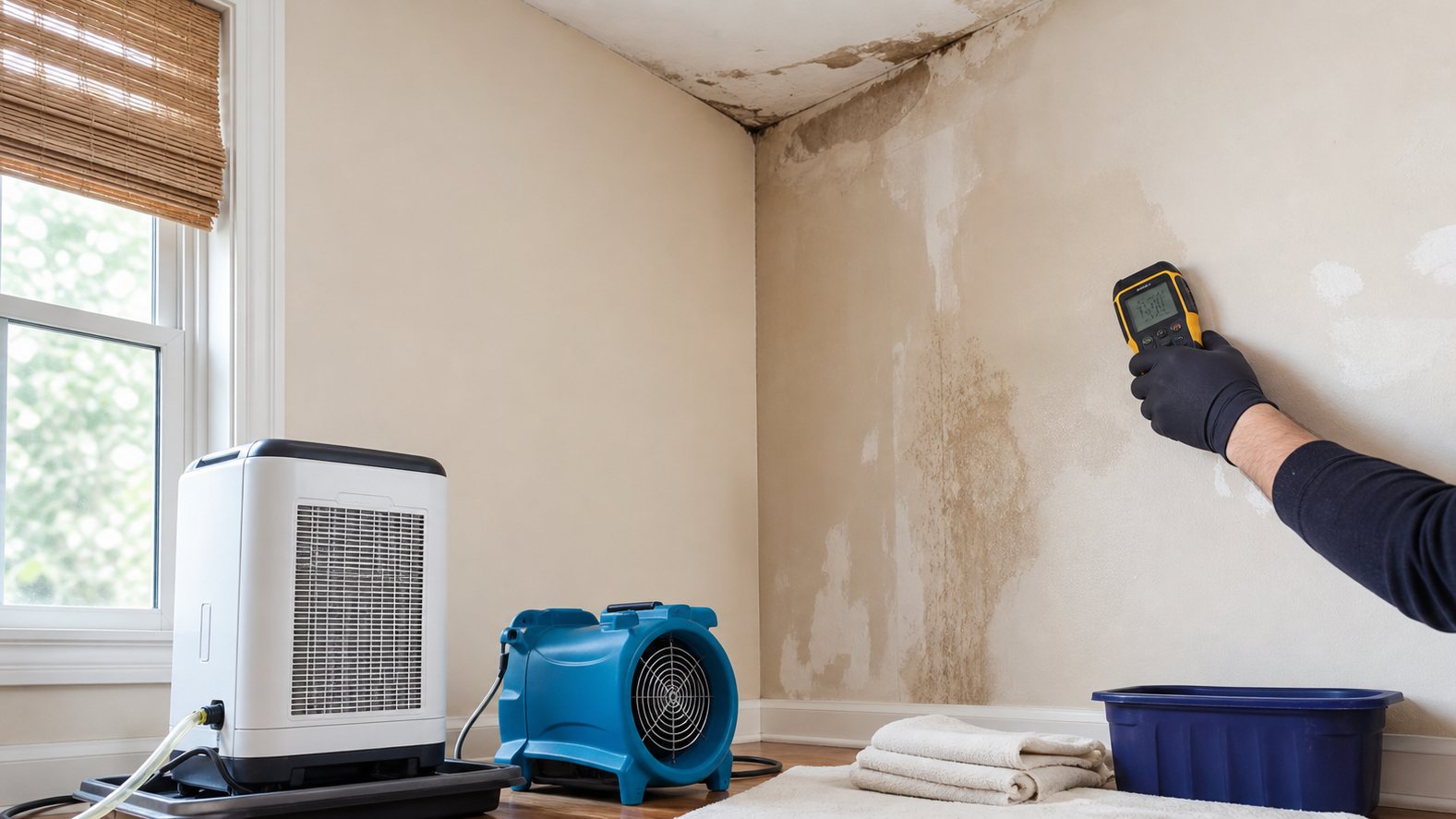
- Control humidity and airflow. Dehumidifiers can remove moisture from the air, while air movement can assist drying when the water source is clean. In humid Atlanta weather, opening every window may introduce more outdoor moisture rather than improve drying.
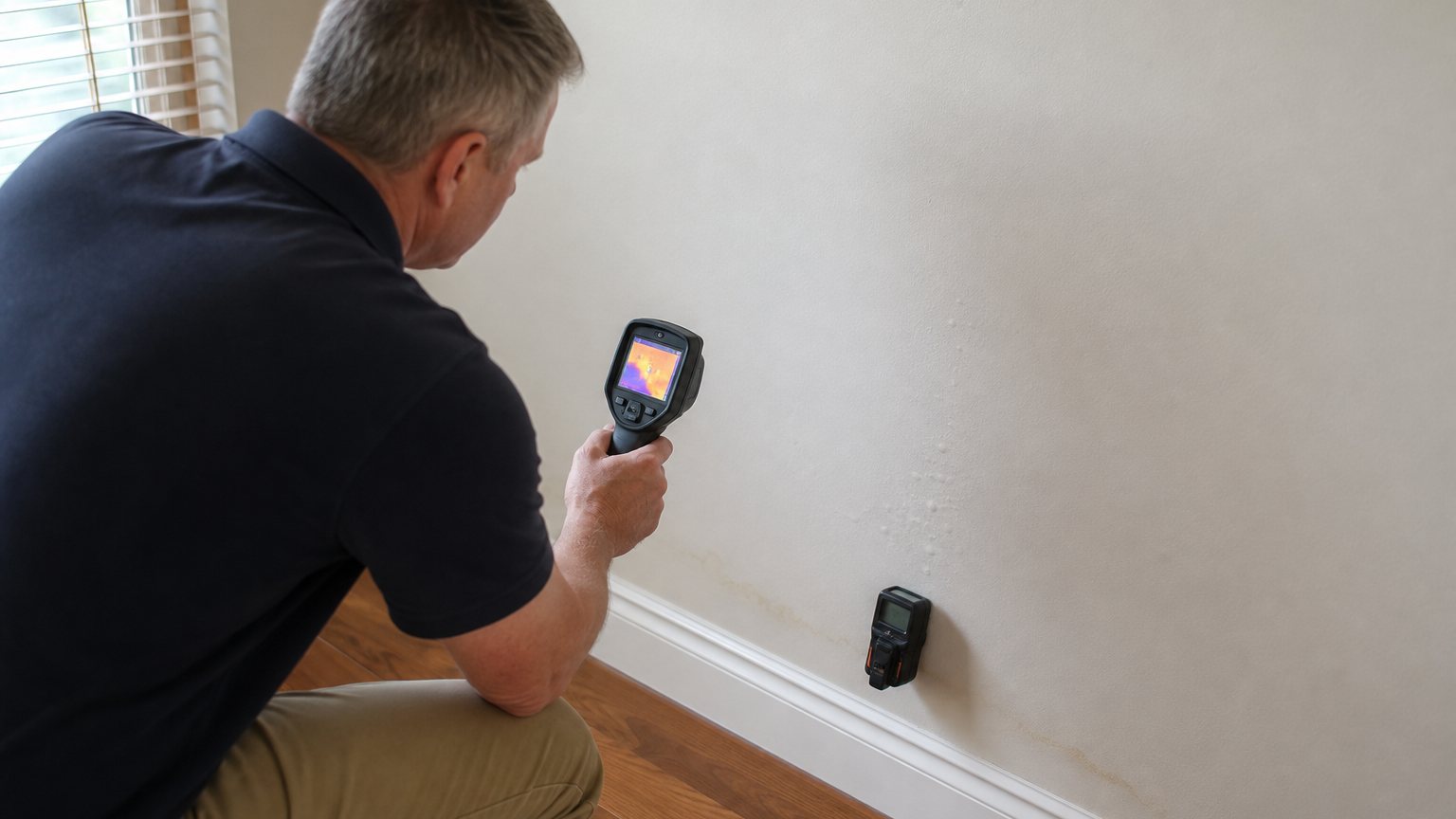
- Verify progress. A dry-looking surface does not prove that the back of the drywall, subfloor, insulation, or framing is dry. Moisture measurements and access to concealed areas may be necessary when significant water entered an assembly.
According to the CDC's guidance on cleaning up after a flood, wet materials should be dried within 24 to 48 hours to prevent mold growth. The EPA similarly recommends completely drying wet areas within that window and paying particular attention to walls, ceilings, attics, and crawl spaces that may be overlooked.
If drying takes longer than two days, check for mold hidden behind walls before assuming the area is safe. That does not mean every wet wall must be opened, but recurring odor, swelling, continued dampness, widespread staining, or water that entered from above may justify a closer assessment.
Signs Mold Is Already Forming
The first indication of mold after water damage is not always a visible patch. A persistent musty odor, especially one that becomes stronger when the HVAC operates or a room stays closed, can point to damp material in a concealed area.
Watch for these changes:
- New spotting or discoloration near the leak.
- Water stains that continue expanding after the source was stopped.
- Peeling paint, bubbling finishes, or loose wallpaper.
- Soft, swollen, cracked, or sagging drywall.
- Warped flooring or baseboards separating from the wall.
- Damp, compressed, or discolored insulation.
- An odor coming from a cabinet, wall opening, ceiling cavity, or HVAC vent.
Color cannot confirm the type, age, or extent of mold. A dark mark may be dirt, water staining, or visible growth, while a clean-looking painted surface may conceal wet drywall paper. The useful next step is to connect the sign to the moisture source and determine whether the affected material can be cleaned and dried or needs to be removed.
What Trusted Public Health and Cleanup Guidance Emphasizes
- Stop the leak or other source of water before treating the visible surface.
- Clean and dry or remove wet materials within 24 to 48 hours when possible.
- Check concealed areas such as walls, ceilings, crawl spaces, attics, carpet padding, and subfloors.
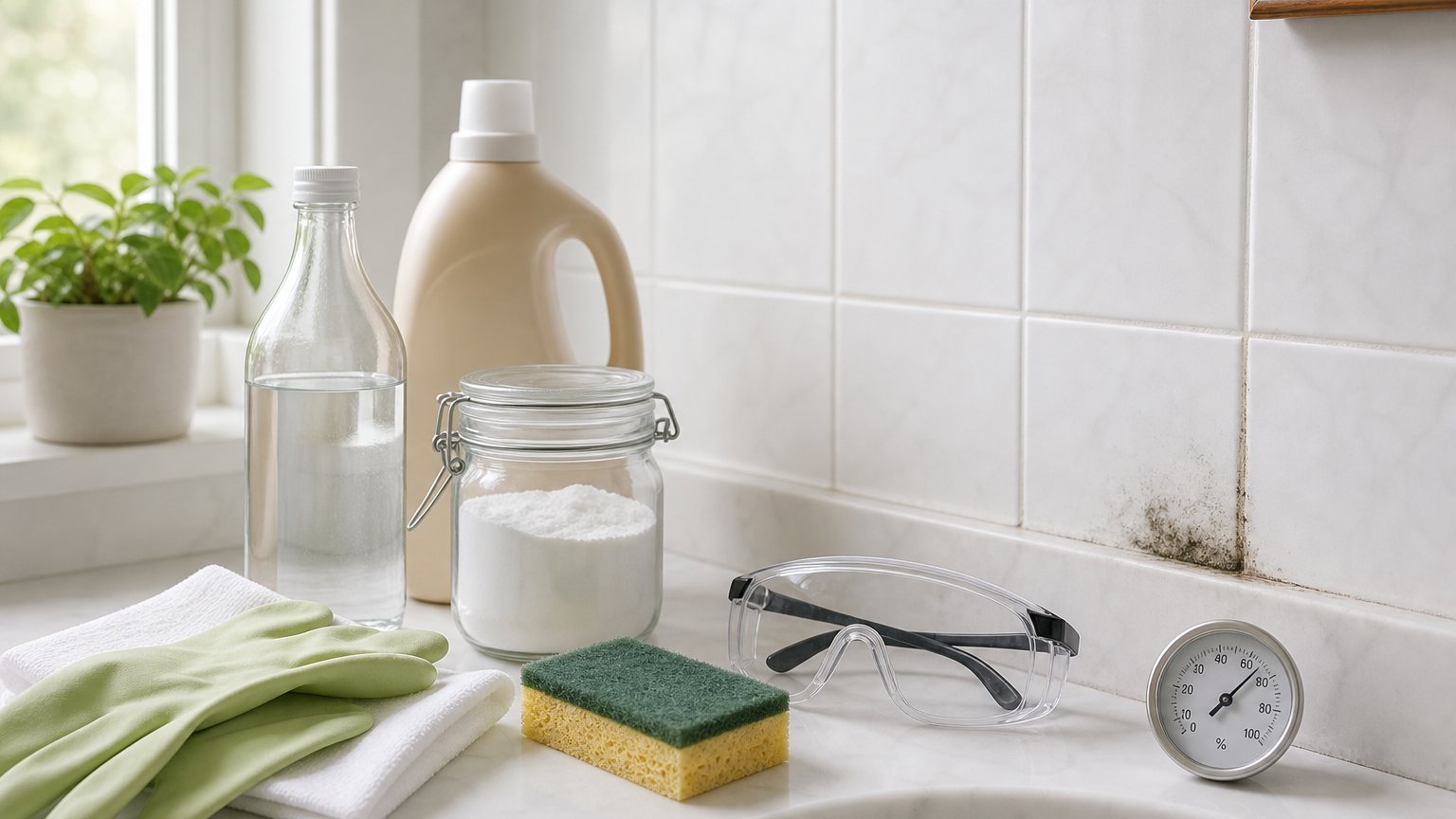
- Use suitable gloves, eye protection, and respiratory protection when disturbing visible mold.
- Do not mix bleach with ammonia or other cleaning products.
- Seek qualified assistance when water is contaminated, the affected area is extensive, HVAC components are involved, or materials cannot be dried safely.
Frequently Asked Questions
Can mold grow overnight after a leak?
Mold is unlikely to become a large, obvious colony overnight, but the conditions that support growth begin as soon as suitable materials become wet. The safest approach is to start extraction and drying immediately rather than waiting for visible signs.
How long before mold grows after a ceiling leak?
Mold may begin developing within about 24 to 48 hours if ceiling drywall, insulation, or framing stays wet. The precise timing varies, and growth may remain concealed above the ceiling even when the stain stops spreading.
Does drywall always need to be replaced after a leak?
No, drywall does not always require replacement if it was exposed to clean water, dried promptly, did not swell, and remains structurally sound. Replacement may be more appropriate when it is soft, sagging, visibly moldy, contaminated, or impossible to dry completely.
Will a fan prevent mold after water damage?
A fan can support drying, but it may not be enough by itself. Effective drying may require extraction, dehumidification, access to wet cavities, and confirmation that the material beneath the visible surface is dry; fans should not be used indiscriminately when water may be contaminated.
Does Atlanta humidity make mold grow faster after a leak?
Atlanta humidity can slow the drying process and leave materials damp longer, which may create better conditions for mold. Indoor humidity control is therefore particularly useful after heavy rain, an HVAC condensate problem, a plumbing failure, or water entering a crawl space.
Get Fast Help After a Leak
If a roof leak, plumbing failure, HVAC condensate problem, or storm has left materials wet in an Atlanta property, you can arrange an assessment of the affected areas. A site-specific review can help identify where the water traveled, determine whether materials remain damp, and clarify practical drying, cleanup, or remediation steps.