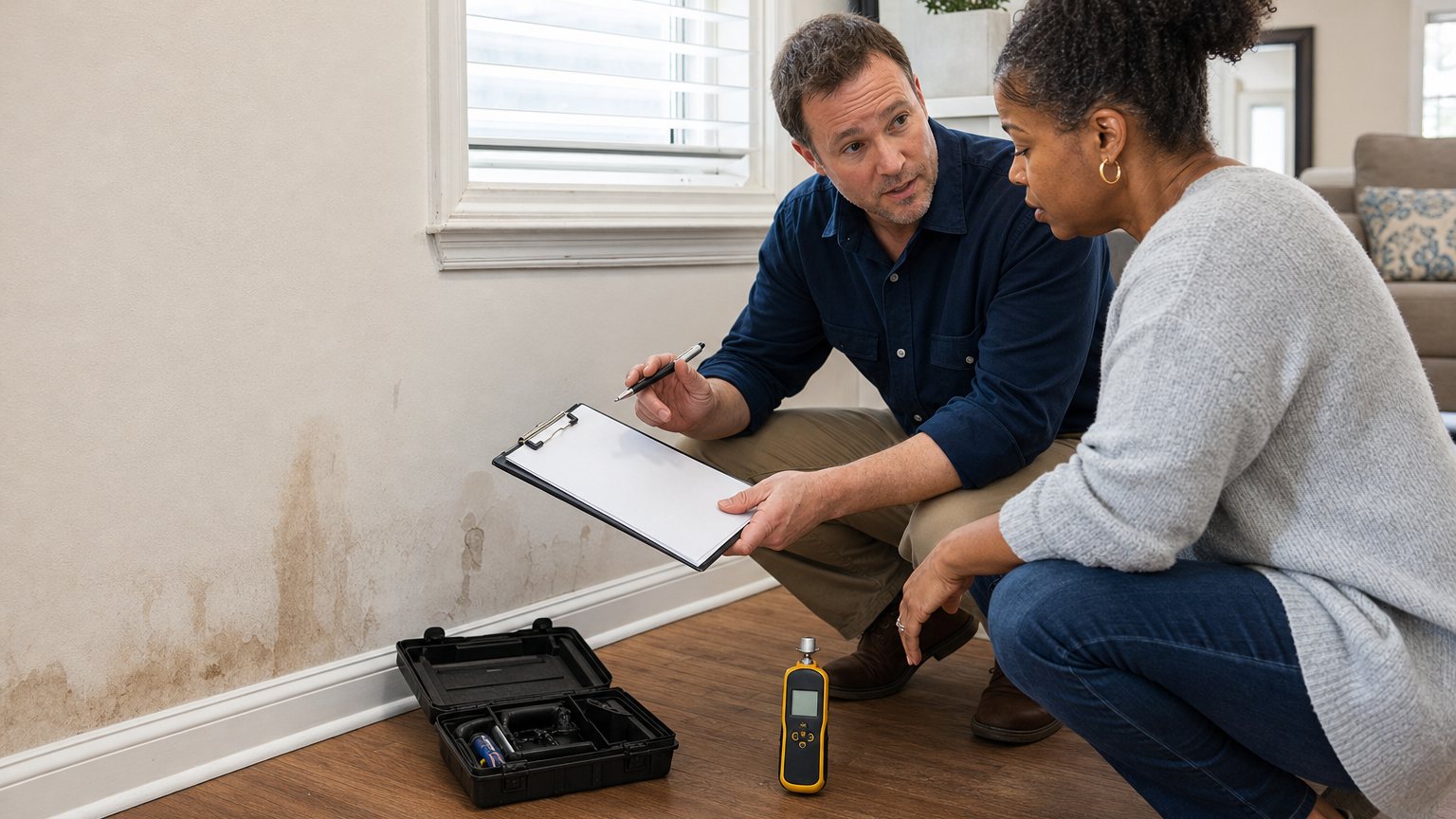
How Much Does Mold Remediation Cost in Georgia?
Understand the price ranges, hidden scope differences, and Atlanta property conditions that can change a remediation estimate.
Read guideAtlanta Mold Fix Journal
Practical, calm guidance for Metro Atlanta property owners—built around the questions people ask after a leak, a musty odor, a crawl-space problem, or a suspicious stain.
Eight in-depth guides
Every article focuses on a different decision, links to related service guidance, and keeps moisture control at the center of the answer.
Understand the price ranges, hidden scope differences, and Atlanta property conditions that can change a remediation estimate.
Read guide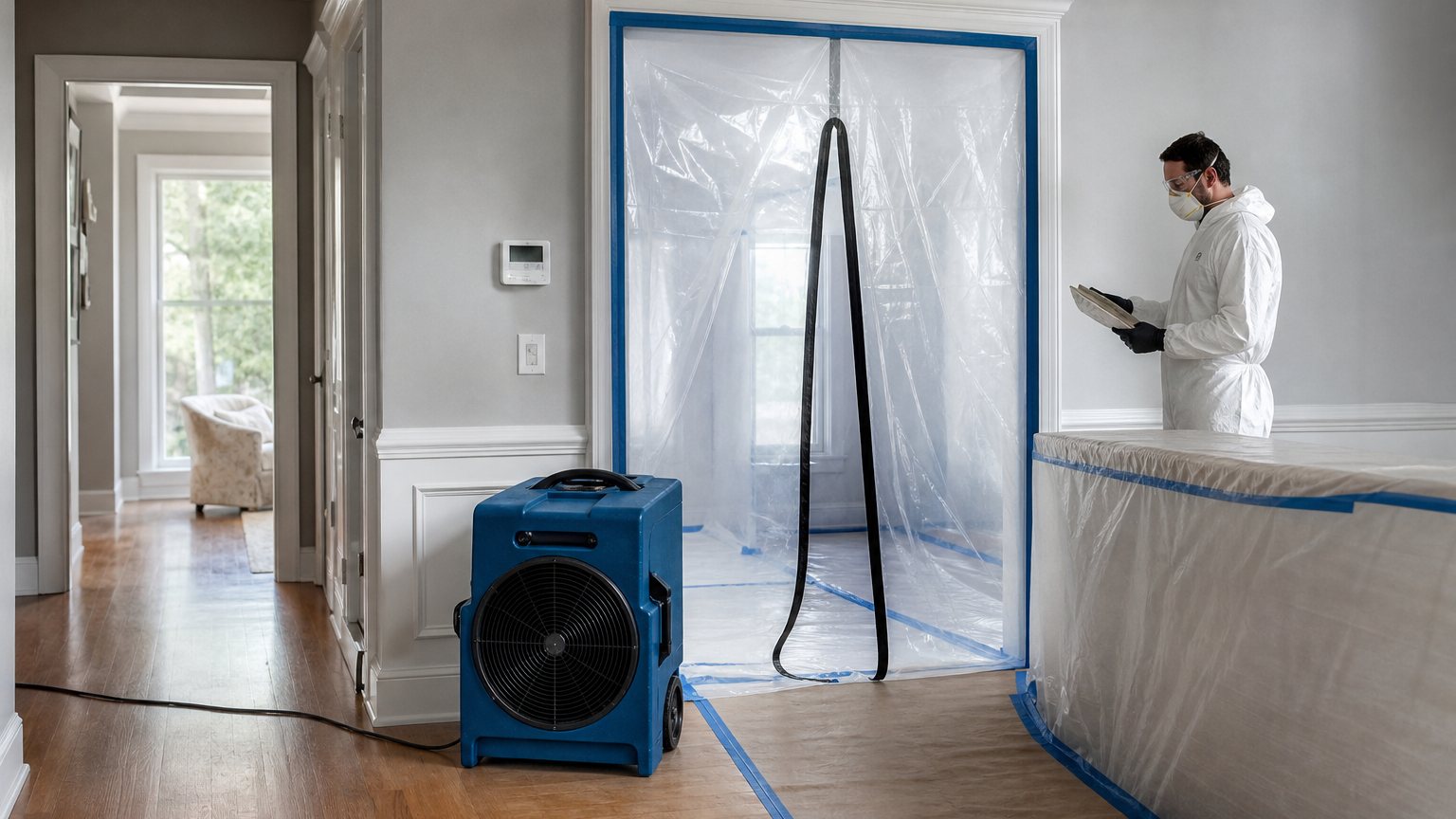
Learn what successful remediation really means, why zero spores is not a realistic promise, and what prevents mold from returning.
Read guide
A local guide to humidity, storms, HVAC condensation, crawl spaces, and the moisture clues that matter during Atlanta's warm season.
Read guide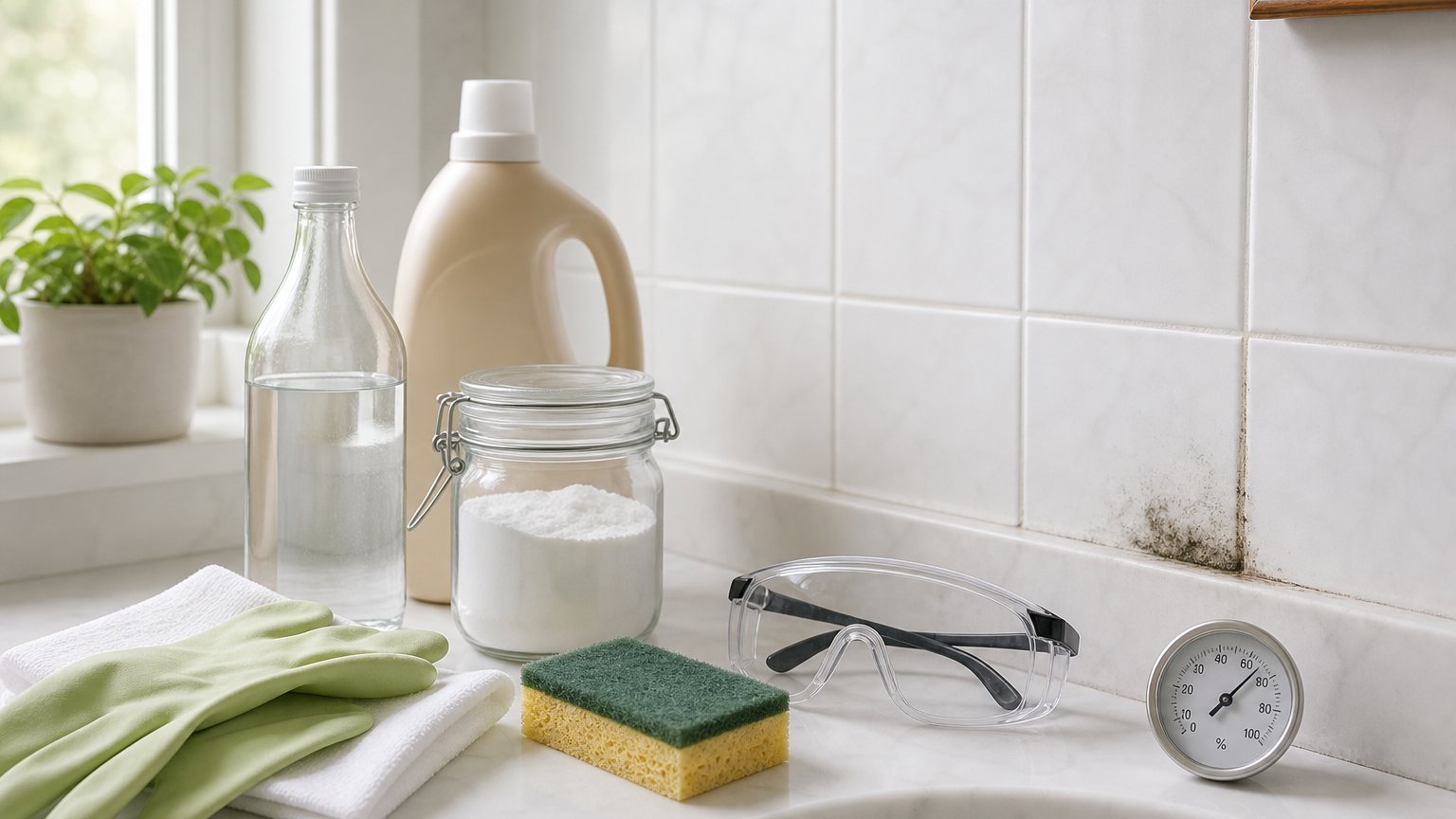
Vinegar, baking soda, peroxide, and tea tree oil have limits. See what is reasonable for a small surface issue and when to stop DIY cleanup.
Read guide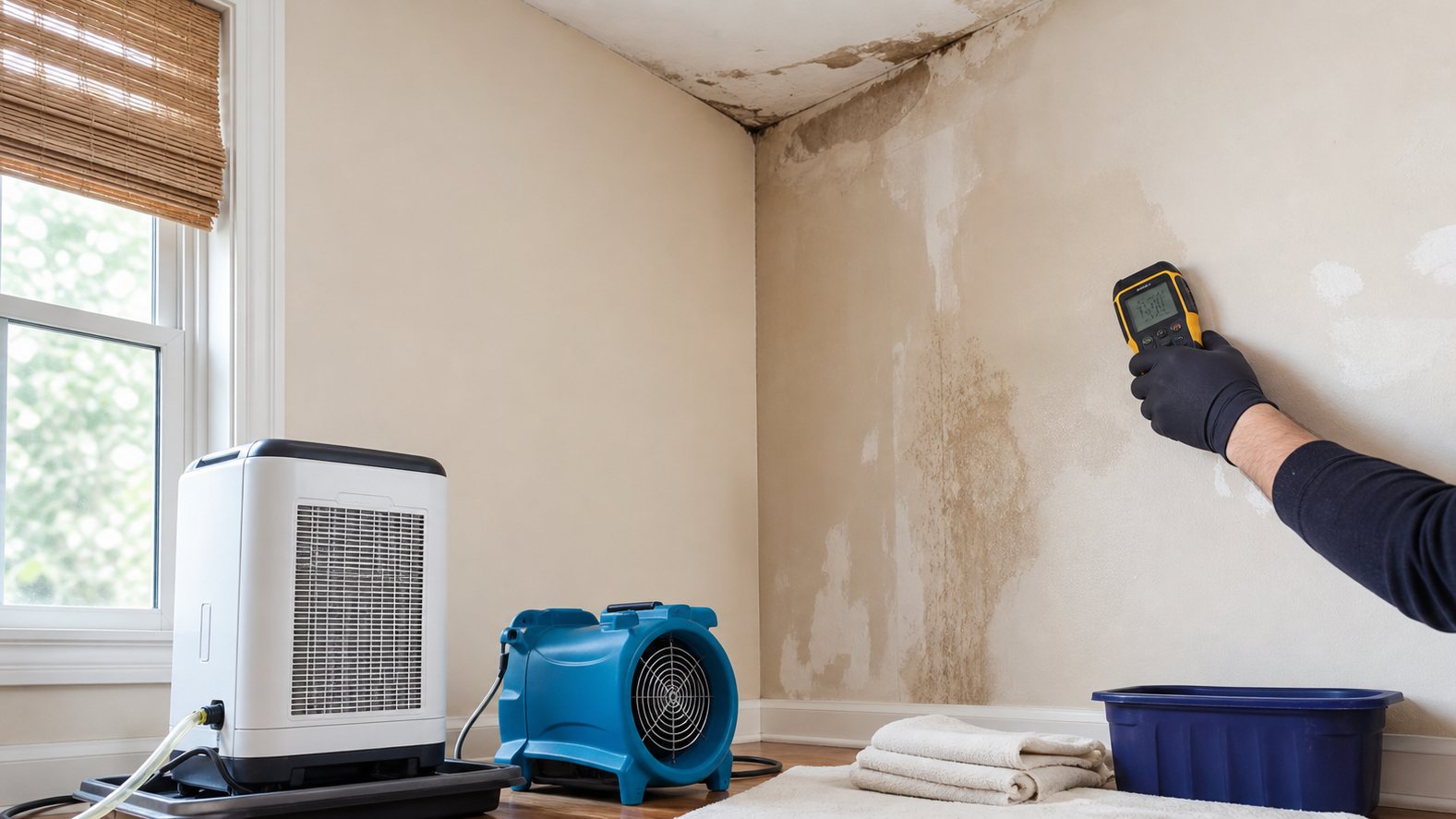
A practical first-72-hours timeline for wet drywall, ceilings, flooring, insulation, and the concealed areas people often miss.
Read guide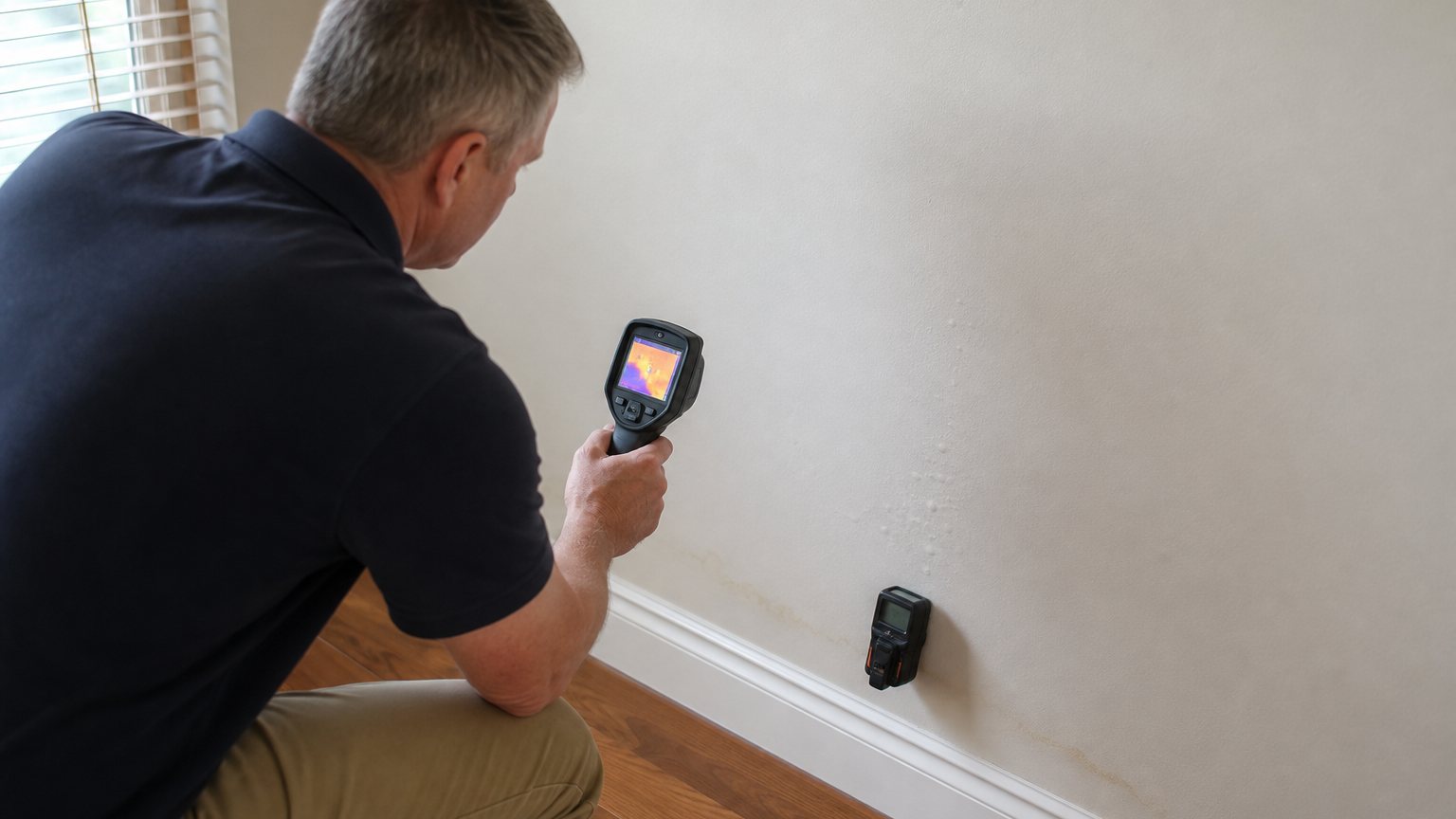
Musty odors, bubbling paint, soft drywall, and past leaks can point to concealed moisture. Learn what inspection tools can—and cannot—prove.
Read guide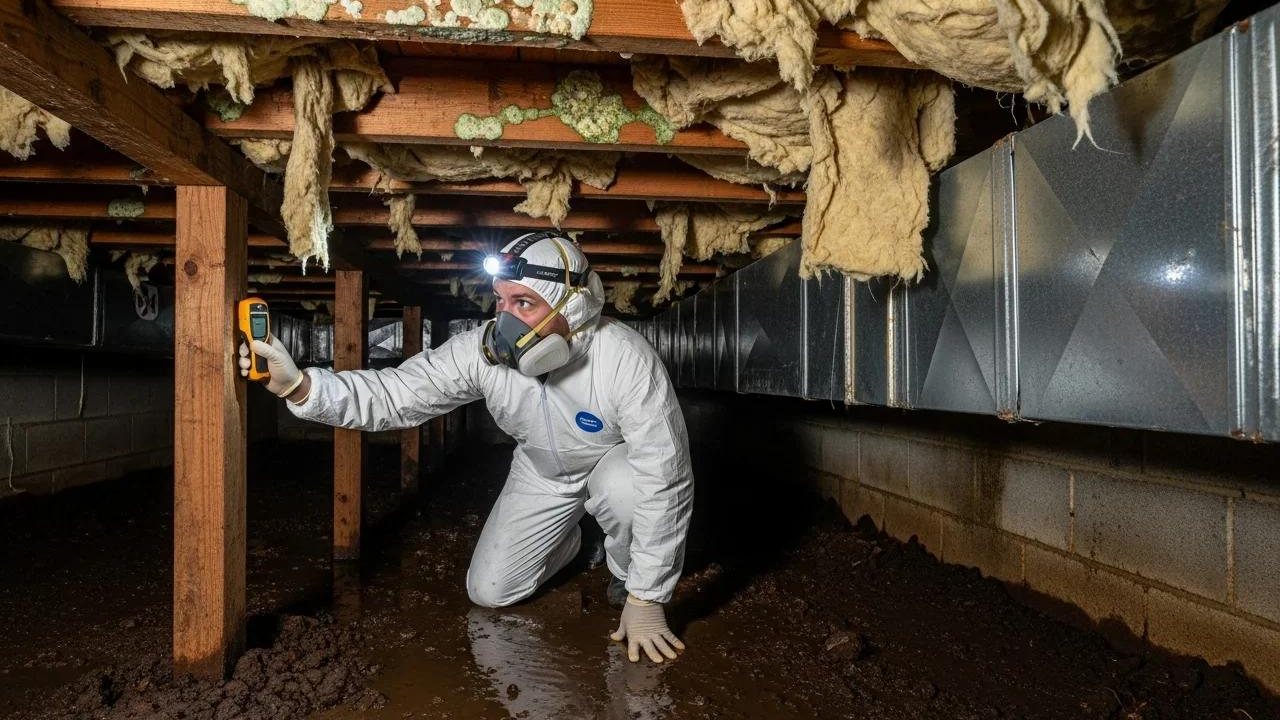
Standing water, fallen insulation, ground moisture, and sweating ducts can all affect the space below your home. Start with the source.
Read guide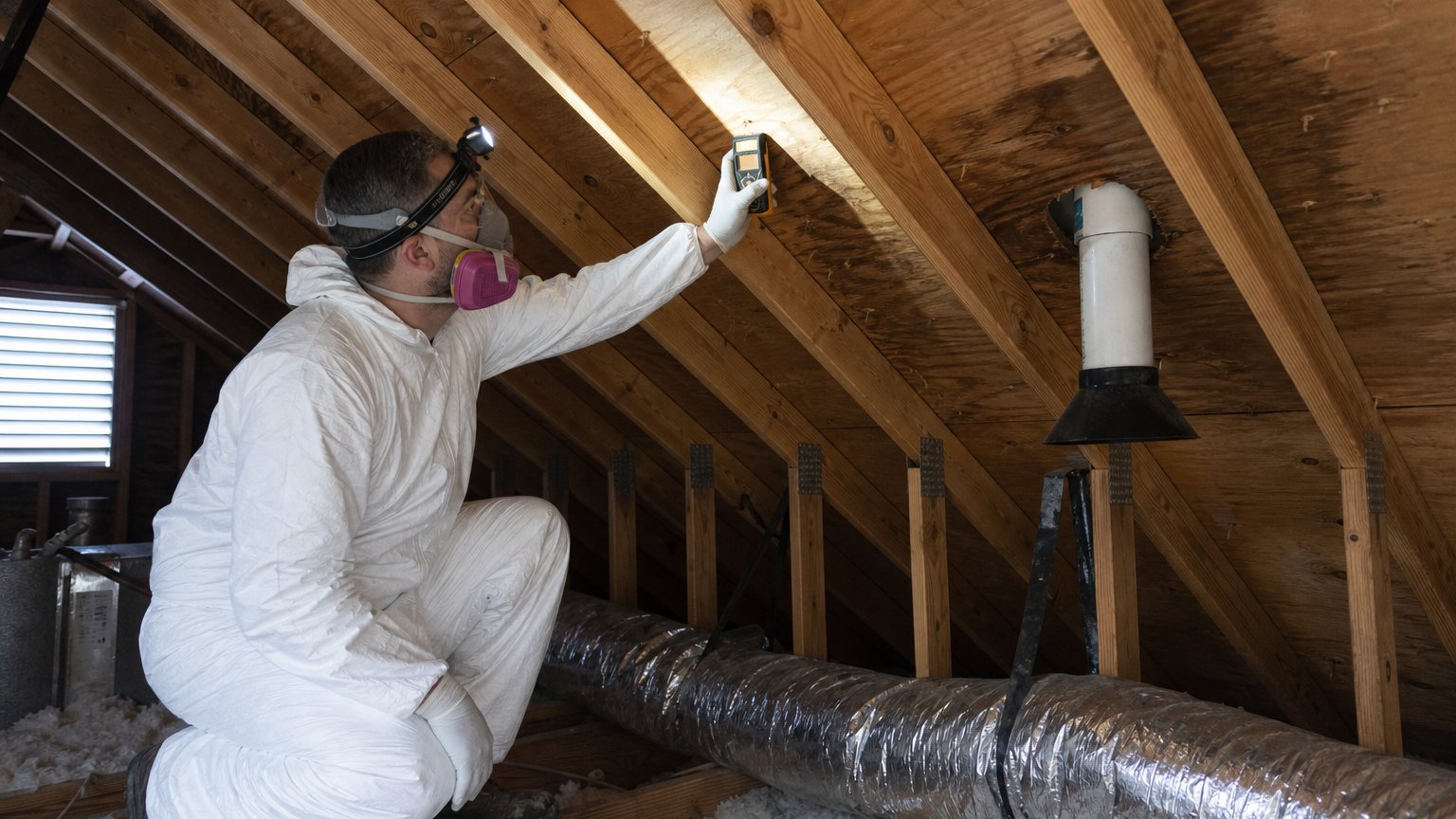
Roof leaks are only one cause. Duct condensation, indoor air leakage, exhaust fans, and blocked ventilation can also keep attic materials damp.
Read guideQuestions people ask out loud
These concise answers are written to be clear in a search result, on a phone, or when read aloud by an assistant.
Cost depends on the affected area, materials, containment, access, moisture-source repairs, testing, and reconstruction. A useful quote separates inspection, remediation, repairs, exclusions, and completion criteria instead of giving one unexplained number.
Wet materials can support microbial growth quickly, so the safest response is to stop the source and begin drying without waiting for visible mold. The actual timeline depends on temperature, humidity, material type, airflow, and how long moisture remains trapped.
Remediation can remove affected materials, clean remaining surfaces, and return the work area to an agreed condition, but indoor and outdoor environments naturally contain some mold spores. Long-term control depends on correcting the source and preventing future moisture.
Avoid disturbing growth, document what you can see safely, and check for active water, plumbing leaks, drainage, ground vapor, wet insulation, and wood moisture. Remediation and encapsulation decisions should follow a complete moisture assessment.
Not sure which guide fits?
You do not need to diagnose the mold yourself before calling.