A stain near a baseboard, a musty closet after a plumbing leak, or damp insulation beneath an Atlanta home can lead to the same practical question: how much will cleanup cost? The mold remediation cost in Georgia cannot be reduced to one statewide price because the final scope depends on how far moisture traveled, which materials were affected, and how difficult the area is to reach. National pricing data is useful for planning, but it is not a property-specific quote.
Quick Answer
- Many residential remediation projects fall between about $1,200 and $3,800, with a current national average near $2,400.
- A commonly published planning range is $10 to $25 per affected square foot, although contractors may use project minimums or scope-based pricing.
- Small, accessible bathroom jobs may fall near $500 to $1,000, while concealed growth can cost substantially more.
- Limited basement or crawl-space remediation may begin in the hundreds, but moisture control, insulation removal, drainage, and repairs can raise the total.
- Whole-house remediation may reach $10,000 to $30,000 or more when multiple rooms, demolition, drying, and repairs are involved.
What Affects Mold Remediation Pricing in Georgia
Pricing is driven mainly by the size of the work area, the materials involved, access conditions, containment needs, and the unresolved moisture source. The visible patch is only one part of the estimate; adjacent spaces, damaged materials, occupied-area protection, drying, and debris disposal may also matter.
Size of the Affected Area
Larger areas usually require more labor, containment, filtration, cleaning, and disposal. Per-square-foot pricing becomes less reliable when growth is scattered or concealed. Small jobs may also carry a minimum charge for setup and final cleaning.
Type and Severity of Mold
The color or common name of mold should not be the only reason for a higher price. Severity is more closely tied to the affected material, duration of wetness, deterioration, and dust-control needs. Wet drywall that must be removed creates a different scope from light surface growth on a cleanable material.
Testing may add cost when an uncertain area or independent documentation requires it. It need not appear automatically when visible growth and the moisture source are already clear.
Location in the Home
Access can change pricing as much as square footage. Bathrooms may require work around vanities, tubs, and plumbing penetrations. Attics can involve low clearance and insulation, while finished basements may conceal moisture behind wall systems.
Crawl space jobs often cost more because of limited access, as we explain in our guide to mold in a crawl space. Low clearance, contaminated insulation, debris removal, and protection of the occupied area above can expand labor and setup.
Average Mold Remediation Cost Ranges
National consumer guides place many projects between roughly $1,200 and $3,800 and commonly cite $10 to $25 per affected square foot. These are planning figures, not Atlanta bids.
| Project type | Broad planning range | Common cost drivers |
|---|---|---|
| Small bathroom or localized area | $500–$1,000 | Hidden leak, cabinetry, drywall removal |
| Basement | $500–$3,000 | Finished walls, seepage, flooring, contents |
| Crawl space | $500–$2,000 for limited remediation | Insulation, access, vapor control, drainage |
| Whole house | $10,000–$30,000+ | Multiple rooms, demolition, drying, repairs |
Small Bathroom or Closet Jobs
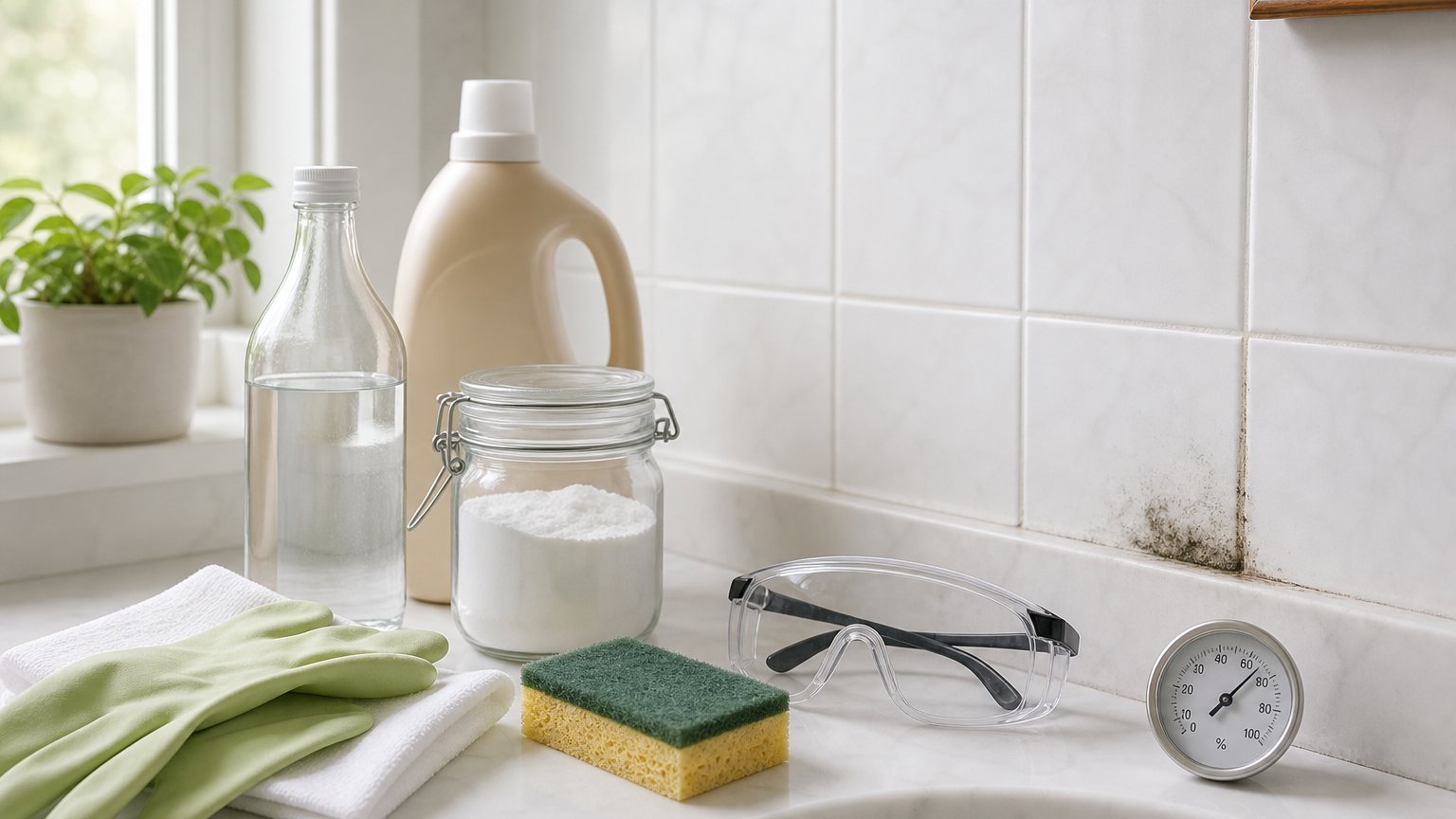
A small bathroom with accessible growth may fall near the lower end of published ranges. The price can rise if staining near a vanity comes from a slow leak, drywall is wet behind trim, or flooring must be opened. A musty closet may also require investigation of an adjoining bathroom, exterior wall, attic, or HVAC chase before the affected area can be defined.
Basement and Crawl Space Jobs
National guides often place basic basement remediation between about $500 and $3,000 and limited crawl-space remediation between about $500 and $2,000. Those figures may exclude insulation removal, standing-water correction, drainage, vapor barriers, encapsulation, structural repair, or rebuilding. Ask for these items to be separated so competing quotes cover the same work.
Whole-House Remediation
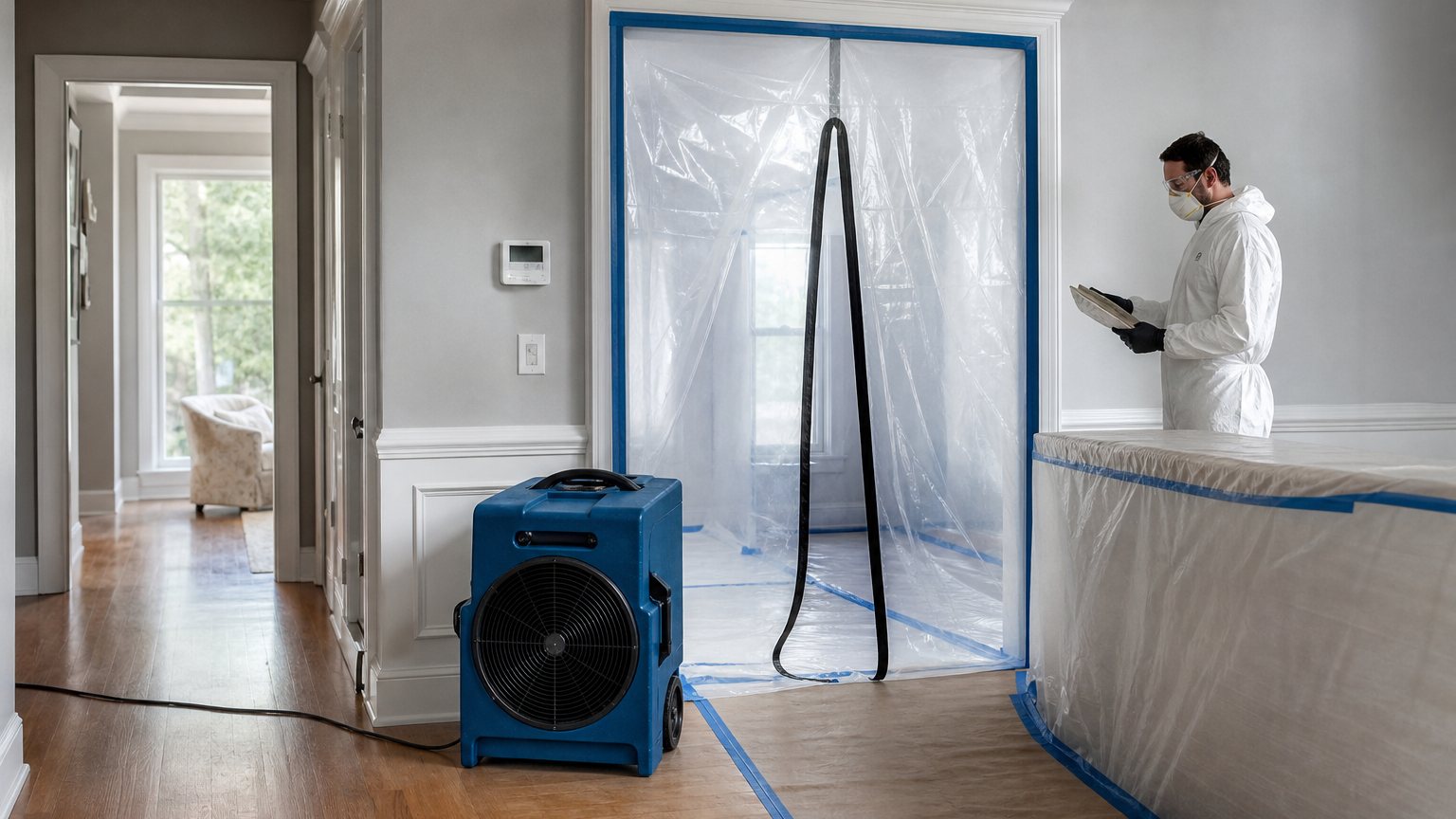
Whole-house work may involve multiple containment zones, widespread material removal, contents protection, HEPA filtration, drying, and reconstruction coordination. National estimates commonly place such projects around $10,000 to $30,000, although extensive damage can exceed that range. The proposal should name the included rooms and materials.
Why Georgia Homes Face Unique Cost Factors
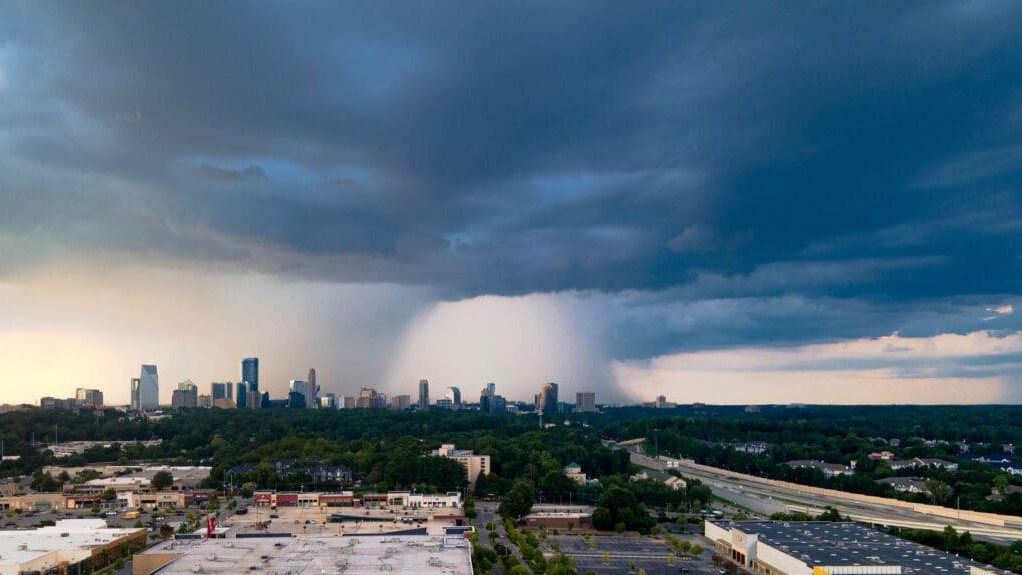
Georgia’s warm, humid periods and regular rainfall make moisture control central to Atlanta property care. Roof leaks, plumbing losses, poor drainage, damp crawl spaces, HVAC condensation, and storm-related water intrusion can keep materials wet long enough to expand a remediation scope. After heavy rain or tropical-system remnants, moisture may travel behind siding, around windows, or beneath flooring without an obvious indoor puddle.
Air conditioning adds another variable. Condensation around an air handler, drain pan, refrigerant line, or poorly insulated duct can affect nearby ceilings, insulation, or framing. A quote that treats visible growth but does not assign responsibility for the underlying moisture condition may be cheaper, yet incomplete.
Hidden Costs Homeowners Often Miss
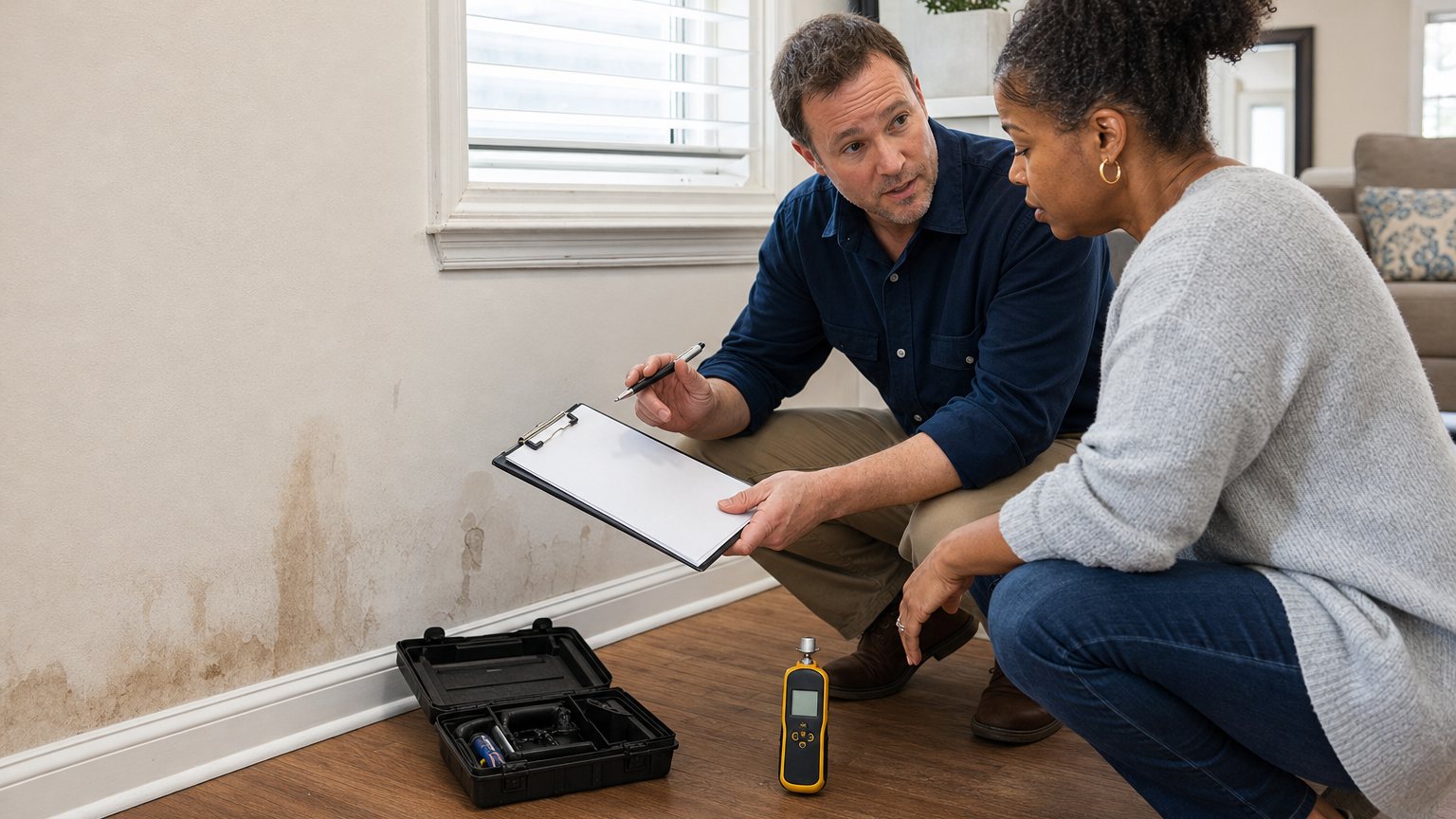
The largest surprises usually come from work that was not visible during the initial conversation. Hidden mold behind walls can significantly raise the final invoice, which is why it is worth learning how to tell if mold hidden behind walls is present before getting quotes. Water staining, soft drywall, peeling paint, swollen baseboards, persistent odor, or elevated moisture readings may justify further investigation before a fixed scope is signed.
Other possible costs include drywall or insulation replacement, contents handling, occupied-area protection, drying equipment, leak repair, difficult access, and reconstruction. Property managers and small businesses may also need phased work, tenant communication, after-hours access, or completion documentation. Confirm these items in writing.
When a Cheap Quote Is a Red Flag
A low quote is concerning when it ignores the moisture source, leaves the work area undefined, or promises complete remediation through spraying or painting alone. Price differences are normal, but each proposal should clearly state:
- which rooms, surfaces, and materials are included;
- whether containment and HEPA filtration are included;
- which materials will be removed and which will be cleaned;
- who handles drying and moisture-source repairs;
- what can trigger a change order;
- whether reconstruction or final verification is excluded.
The lowest total may cover only visible surface treatment, while a higher estimate may include containment, removal, detailed cleaning, and drying. Compare scope before price.
How Atlanta Mold Fix Prices Remediation Projects
Atlanta Mold Fix does not publish a universal rate or set the price charged by an independent service provider. The contractor who inspects and scopes the work is responsible for the proposal, pricing, change-order terms, workmanship, and warranty. A useful estimate must be tied to the address, property type, moisture timeline, access, and affected materials.
Describe what happened, when it happened, what you see or smell, and whether it is occupied. Request a written breakdown separating assessment, containment, removal, cleaning, drying, moisture correction, optional testing, and reconstruction. Clear exclusions make it easier to compare estimates fairly.
What Trusted Public Health and Cleanup Guidance Emphasizes
- Find and correct the leak, condensation, drainage problem, or other moisture source.
- Dry wet materials promptly; public guidance commonly uses a 24-to-48-hour window when safe and practical.
- Very small areas may sometimes be handled by occupants, while larger areas, extensive water damage, contaminated water, HVAC involvement, or difficult access require greater care.
- Use appropriate protective measures and avoid disturbing visible growth if dust cannot be controlled.
- Do not paint or caulk over mold before the material is cleaned or removed and the water problem is corrected.
- Porous materials that cannot be cleaned and thoroughly dried may need to be discarded.
Frequently Asked Questions
How much does mold remediation cost per square foot in Georgia?
A broad national planning range is about $10 to $25 per affected square foot. The final Georgia price may differ because of project minimums, concealed damage, difficult access, multiple rooms, or reconstruction.
How much does it cost to remove mold from an entire house?
National consumer guides commonly place whole-house remediation around $10,000 to $30,000, with larger projects potentially costing more. Confirm whether demolition, drying, contents, HVAC work, and rebuilding are included.
Does Atlanta humidity automatically mean I need remediation?
No. Humidity is a risk factor, not proof that a building needs remediation. Look for evidence such as visible growth, persistent odor, past water intrusion, staining, wet materials, or elevated moisture readings.
Do I need mold testing before getting a quote?
Not always. When visible growth and the moisture source are clear, testing may not change the cleanup plan; it is more useful when the source is uncertain or independent documentation is required.
Why are two mold remediation quotes so different?
The contractors may be pricing different scopes. Compare the affected area, containment, removal, cleaning, drying, disposal, testing, reconstruction, exclusions, and change-order terms.
Get an Accurate Quote for Your Home
If you have noticed persistent moisture, staining, a musty odor, or visible mold in an Atlanta-area property, contact Atlanta Mold Fix to discuss the address, affected area, moisture timeline, and next steps. A site-specific assessment can help define what needs remediation, what requires separate repair, and which questions should be answered in the written quote.