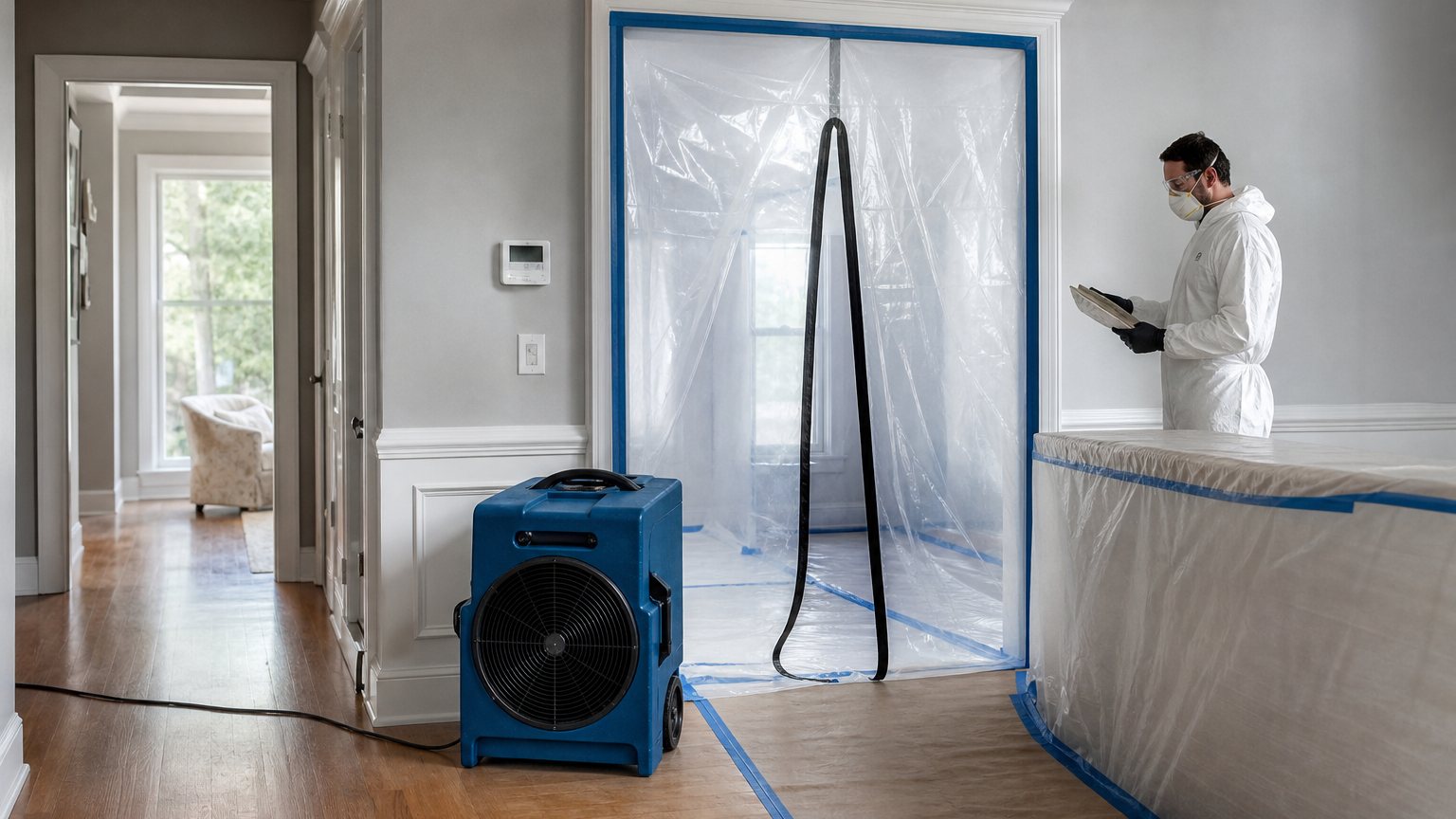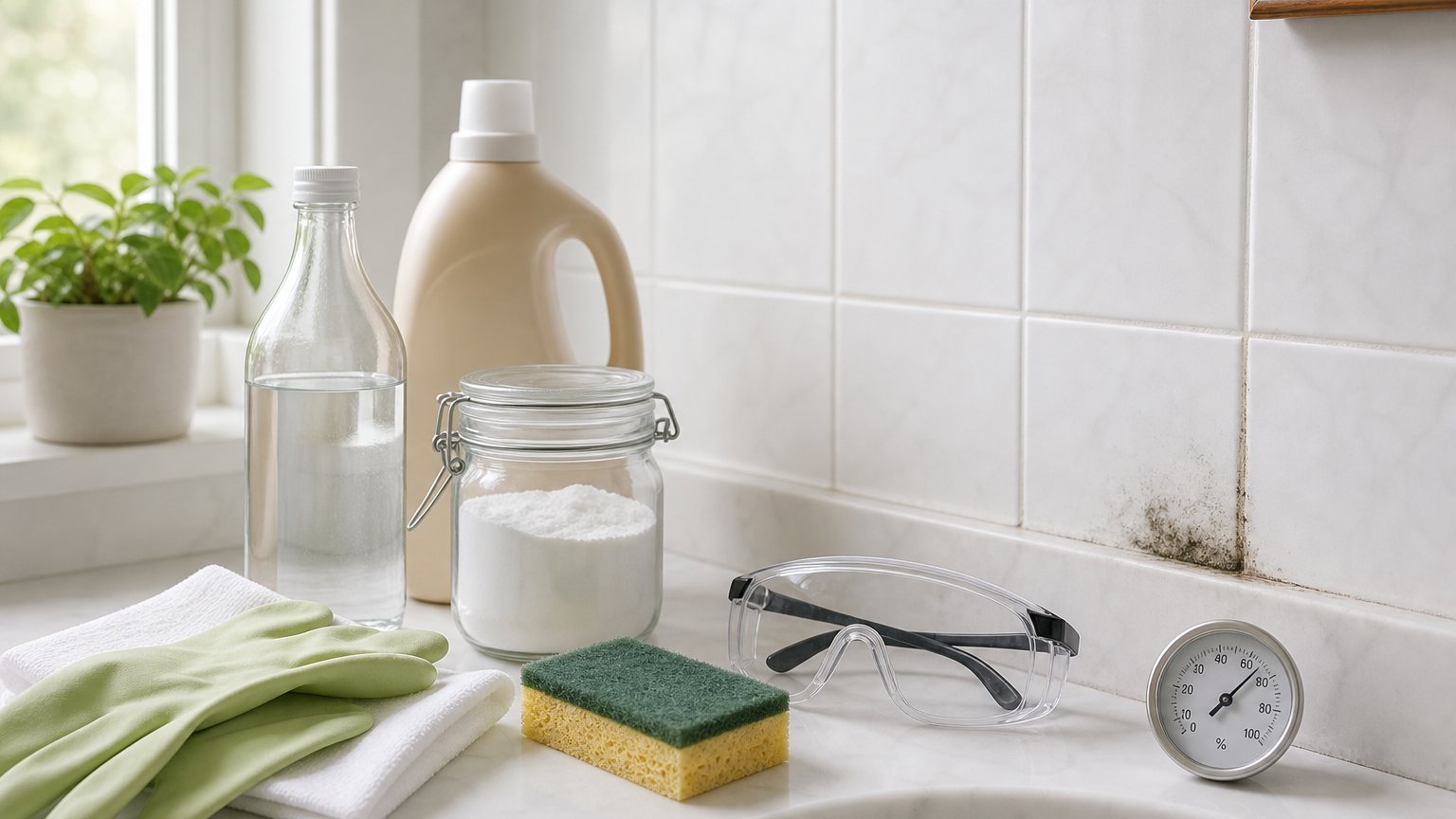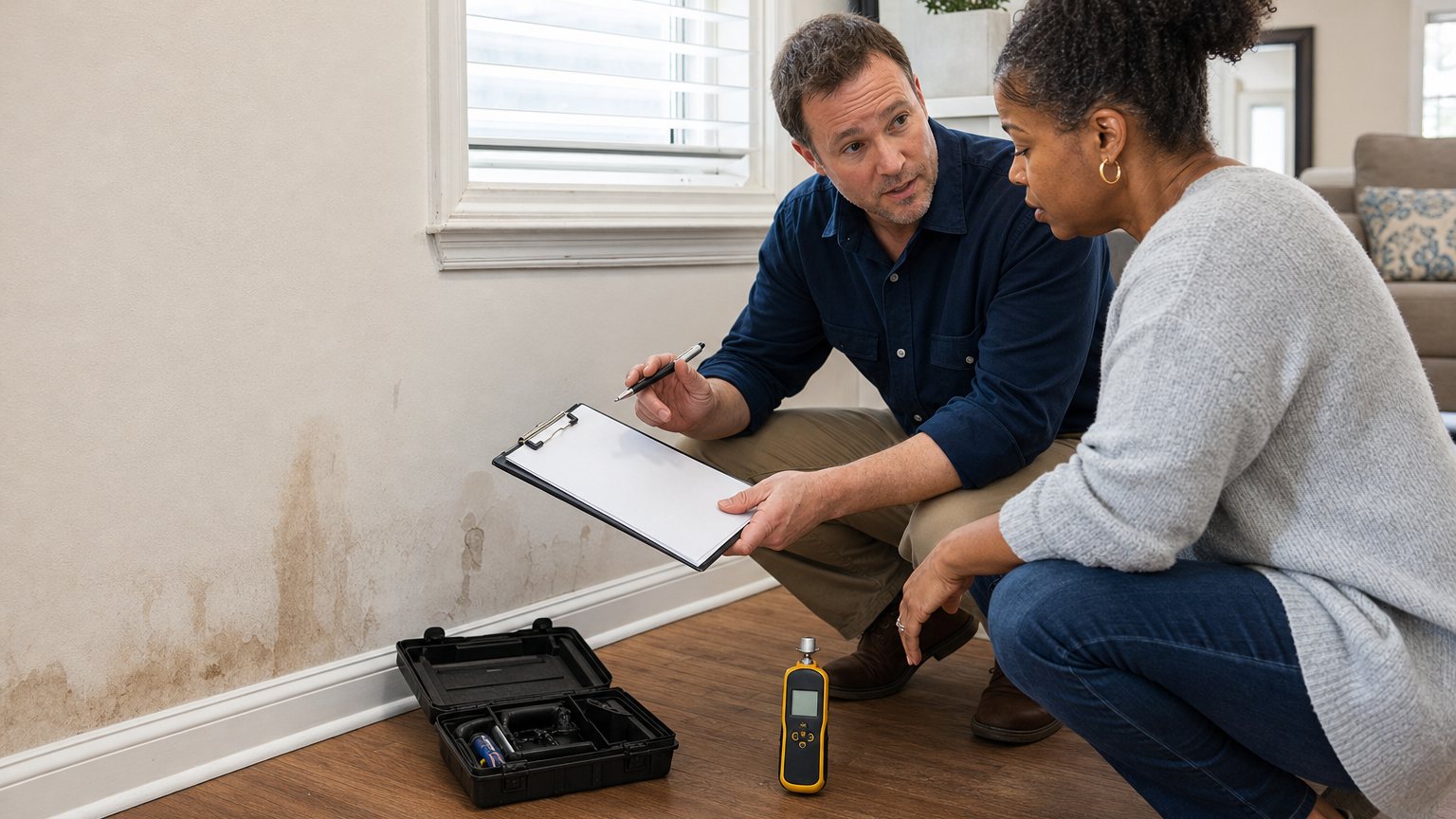
Atlanta property owners often notice the same pattern during warm, wet stretches: a musty room returns after the air conditioner cycles, a closet feels damp, or spotting appears a few days after heavy rain. Higher mold activity in Atlanta is not caused by the calendar alone. It usually reflects a combination of humid outdoor air, water intrusion, condensation, and building materials that stayed damp long enough to support growth.
Quick Answer
- Atlanta's warm, humid season gives indoor moisture problems less room for error.
- Heavy rain can expose roof, window, drainage, and foundation leaks that were not obvious during dry weather.
- Air-conditioning systems remove moisture, but cold ducts, clogged drains, or poorly insulated components can also create condensation.
- Crawl spaces and wall cavities may remain damp after the visible surface looks dry.
- Outdoor mold and pollen conditions do not prove there is indoor growth; indoor evidence still has to be tied to moisture.
- The practical response is to find the water source, dry affected materials, and investigate recurring odor, staining, or dampness.
Atlanta's Climate and Why It Fuels Mold Growth
Atlanta's climate can support mold when moisture reaches a building and does not dry promptly. Warm air can hold substantial water vapor, summer air-conditioning creates cold surfaces, and recurring rain can keep exterior assemblies and soil wet. Mold spores are always present in ordinary indoor and outdoor environments, but spores do not become an indoor growth problem unless they have moisture and a suitable material such as drywall paper, wood, dust, carpet backing, or insulation.
That distinction matters. A humid day does not automatically mean a house needs remediation, and a high outdoor mold report does not locate a problem inside. The more useful questions are whether indoor relative humidity stays elevated, whether condensation is forming, whether a recent leak reached porous materials, and whether there is a persistent odor or visible change.
EPA guidance recommends keeping indoor relative humidity below 60 percent when possible, ideally between 30 and 50 percent. A small digital hygrometer can show whether a room, basement, or crawl-space-adjacent area regularly crosses that threshold. One reading is only a snapshot, so compare conditions at different times of day and after rain or HVAC operation.
Seasonal Humidity Spikes and Recent Weather Patterns
Mold concerns often rise during Atlanta's warm-season cycle because rain and outdoor humidity interact with cooled buildings. After a thunderstorm or multi-day wet period, roof decks, siding transitions, window openings, soil, and crawl spaces may stay damp. When outdoor air enters a cooled home or reaches cold ductwork, the air temperature can fall below its dew point and leave condensation on metal, insulation jackets, vents, or nearby framing.
Weather changes quickly, and conditions can vary across Metro Atlanta. A seasonal article cannot diagnose a specific property or claim that every neighborhood is experiencing the same mold level. Use current weather and humidity information as context, then look for building evidence: a stain that expands after rain, a supply register that sweats, a condensate pan that does not drain, or a crawl space that remains muddy days after the storm.
The timing of water entry also matters. CDC and EPA guidance commonly emphasizes cleaning and drying wet materials within about 24 to 48 hours when it can be done safely. That window is not a promise that mold appears at an exact hour. It is a practical reason to avoid leaving wet drywall, carpet padding, ceiling tiles, or insulation closed up while waiting for a surface to dry on its own.
Common Trigger Points in Atlanta Homes
The most common seasonal trigger points are HVAC condensation, roof and exterior water intrusion, plumbing leaks, and damp crawl spaces. The visible clue may appear far from the source because water can travel along framing, pipes, wires, insulation, and flooring seams.
HVAC Condensation
Air-conditioning equipment is designed to remove heat and moisture, but the system can become part of the problem when condensate does not drain or humid air reaches a cold surface. Check for water around the air handler, a blocked or overflowing drain pan, sweating refrigerant lines, poorly sealed duct connections, damaged duct insulation, and recurring staining near ceiling registers.
Condensation trapped near ductwork is one reason homeowners later discover hidden mold behind walls. An infrared camera or moisture meter may help identify a suspicious pattern, but neither tool proves mold by itself. The finding has to be compared with the HVAC layout, water history, odor, and material condition.
Aging Roofs After Storm Season
Roof leaks may be intermittent and may not drip directly below the entry point. Wind-driven rain can reach flashing, valleys, vent boots, roof-to-wall transitions, skylights, or damaged shingles, then follow a rafter before staining a ceiling. In the attic, look for dark water tracks, rusted nail tips, damp insulation, softened decking, or changes that appear after rain.
Cleaning an attic stain before the roof is evaluated can hide the clue without stopping the next wetting cycle. Photograph the pattern, note the weather conditions when it changes, and keep roof repair separate from any mold-cleanup scope so responsibility is clear.
Poor Crawl Space Ventilation and Ground Moisture
Crawl spaces can collect moisture from exposed soil, drainage, foundation seepage, plumbing leaks, humid outdoor air, and sweating ducts. The floor above may feel normal even when insulation is damp or framing stays above a healthy moisture level. A musty odor near floor penetrations or supply registers can be an early clue.
If your home has a vented crawl space, read our guide on mold in a crawl space for prevention steps. Do not enter a space with standing water, exposed wiring, sewage, unstable access, animals, or other hazards. Photos from the access opening may be safer than crawling inside without the right protection.
Neighborhoods and Home Types Most at Risk
No Atlanta neighborhood can be labeled "the mold area," and a ZIP code does not diagnose a building. Risk depends more on the property than the name of the community. Older homes may have complex additions, aging roof transitions, vented crawl spaces, or plumbing hidden behind plaster and later finishes. Newer homes can still develop problems from construction moisture, window leaks, HVAC sizing or drainage, roof penetrations, and tightly enclosed wet materials.
Certain property conditions deserve closer attention during humid months:
- homes with low or poorly drained crawl spaces;
- finished basements with wall systems against damp foundations;
- condos or townhomes with shared roofs, walls, or plumbing;
- rentals where small leaks may not be reported immediately;
- buildings with frequent HVAC cycling, clogged condensate lines, or cold uninsulated ducts;
- properties that recently experienced roof work, storm damage, plumbing loss, or interior flooding.
The inspection should follow the moisture pathway rather than assume the entire building is affected. A room over a damp crawl space calls for a different investigation from a top-floor ceiling stain that appears only after wind-driven rain.
Early Signs You Should Watch for This Season
Early signs are usually changes in odor, moisture, or materials rather than a dramatic black patch. Compare the area with its normal condition and pay attention to patterns after rain, shower use, plumbing operation, and long HVAC cycles.
Watch for:
- a musty odor that returns after the room has been aired out;
- paint that bubbles, peels, or changes color near a baseboard or ceiling;
- swollen trim, soft drywall, warped flooring, or loose wallpaper;
- condensation on registers, pipes, ducts, windows, or cold exterior walls;
- damp or fallen crawl-space insulation;
- attic staining, wet insulation, or rusted fasteners;
- indoor humidity that remains high even while the air conditioner runs.
Color alone cannot identify a mold species, and allergy-like symptoms cannot locate a building source. If you have health concerns, consult a qualified healthcare professional and avoid disturbing visible growth until you understand the area and can use appropriate protection.
How to Reduce Mold Risk During High-Humidity Months
The most effective prevention steps reduce water entry, condensation, and drying time. Start with measurements and maintenance rather than fragrance, fogging, or paint.
- Track indoor relative humidity with a hygrometer in the rooms that feel damp.
- Keep HVAC condensate pans and drain lines clean and flowing.
- Repair roof, plumbing, window, and exterior-envelope leaks promptly.
- Use bathroom and kitchen exhaust that vents outdoors.
- Keep furniture slightly away from repeatedly damp exterior walls so air can circulate.
- Check crawl-space drainage, ground covering, ducts, and insulation after heavy rain.
- Dry or remove water-damaged porous materials promptly when it is safe to do so.
- Do not paint, caulk, or close a wall cavity until the material is dry and the source is corrected.
Air cleaners can reduce some airborne particles, but they do not dry wet drywall, repair a roof, or drain a crawl space. Dehumidifiers can help manage humidity, yet they should not be used as a substitute for correcting active water intrusion.
What Trusted Public Health and Cleanup Guidance Emphasizes
- Moisture control is the central part of mold prevention.
- Indoor relative humidity should remain below 60 percent when possible, ideally between 30 and 50 percent.
- Wet materials should be cleaned and dried promptly, commonly within 24 to 48 hours when safe and practical.
- Porous materials that cannot be cleaned and dried may need removal.
- Visible growth should not simply be covered with paint or caulk.
- Larger, concealed, HVAC-related, contaminated-water, or otherwise complex conditions may require qualified help.
Useful references include the EPA guide to mold, moisture, and your home and the CDC mold information hub.
Frequently Asked Questions
Why is there so much mold in Atlanta during summer?
Summer heat, humid outdoor air, rain, and air-conditioned surfaces create more opportunities for condensation and slow drying. Indoor growth still requires a moisture source, so humidity alone is not proof of a remediation problem.
Is there a specific mold season in Georgia?
Outdoor spores and indoor moisture conditions vary through the year, but warm and humid periods commonly produce more complaints. Roof leaks, HVAC condensation, plumbing failures, and crawl-space moisture can also create problems in any season.
Does a high outdoor mold count mean my house has mold?
No. Outdoor counts describe sampled outdoor air and do not diagnose a wall, attic, or crawl space. Indoor investigation should focus on moisture history, visible growth, odor, and affected materials.
Should I turn the air conditioner colder to prevent mold?
Not automatically. Cooling can remove moisture, but excessive temperature differences may increase condensation on poorly insulated ducts or surfaces. Check humidity, drainage, equipment condition, and insulation rather than relying on thermostat setting alone.
When should I request an inspection?
An inspection is reasonable when odor or staining keeps returning, a leak reached concealed materials, indoor humidity remains high, or the source cannot be identified. Immediate safety hazards such as sewage, electrical risk, or structural damage require the appropriate emergency or specialty service first.
Schedule a Seasonal Mold Inspection
If recurring odor, staining, damp materials, or visible growth appears during Atlanta's humid season, contact Atlanta Mold Fix to discuss the property, recent weather or leak history, and the areas that need a closer look.