A musty odor that returns after cleaning or a dark patch that reappears near a baseboard can make it seem as though mold never truly goes away. So, can mold be fully removed? Active growth and contaminated materials can be removed or properly cleaned, but no responsible process can make a home permanently free of every microscopic mold spore. The practical goal is to remove the growth, correct the moisture source, clean the affected area, and keep it dry enough that ordinary background spores do not begin growing again.
Quick Answer
- Visible mold can often be cleaned from suitable hard surfaces, while badly affected porous materials may need removal.
- Mold spores occur naturally indoors and outdoors, so a zero-spore home is not a realistic goal.
- Successful remediation means the moisture source is fixed, damaged material is addressed, and the area is clean, dry, and free of moldy odor.
- Mold often returns when a roof leak, plumbing problem, HVAC condensation issue, damp crawl space, or hidden wet material remains.
- No cleanup can guarantee that mold will never appear after a future leak, flood, or humidity problem.
Removal vs. Remediation: What’s the Real Difference?
Mold removal is the physical work of cleaning growth from surfaces or taking out materials that cannot be salvaged. Mold remediation is broader: it includes finding the moisture source, defining the affected area, controlling the spread of dust and spores, cleaning or removing contaminated materials, drying the space, and checking whether the conditions that supported growth have been corrected.
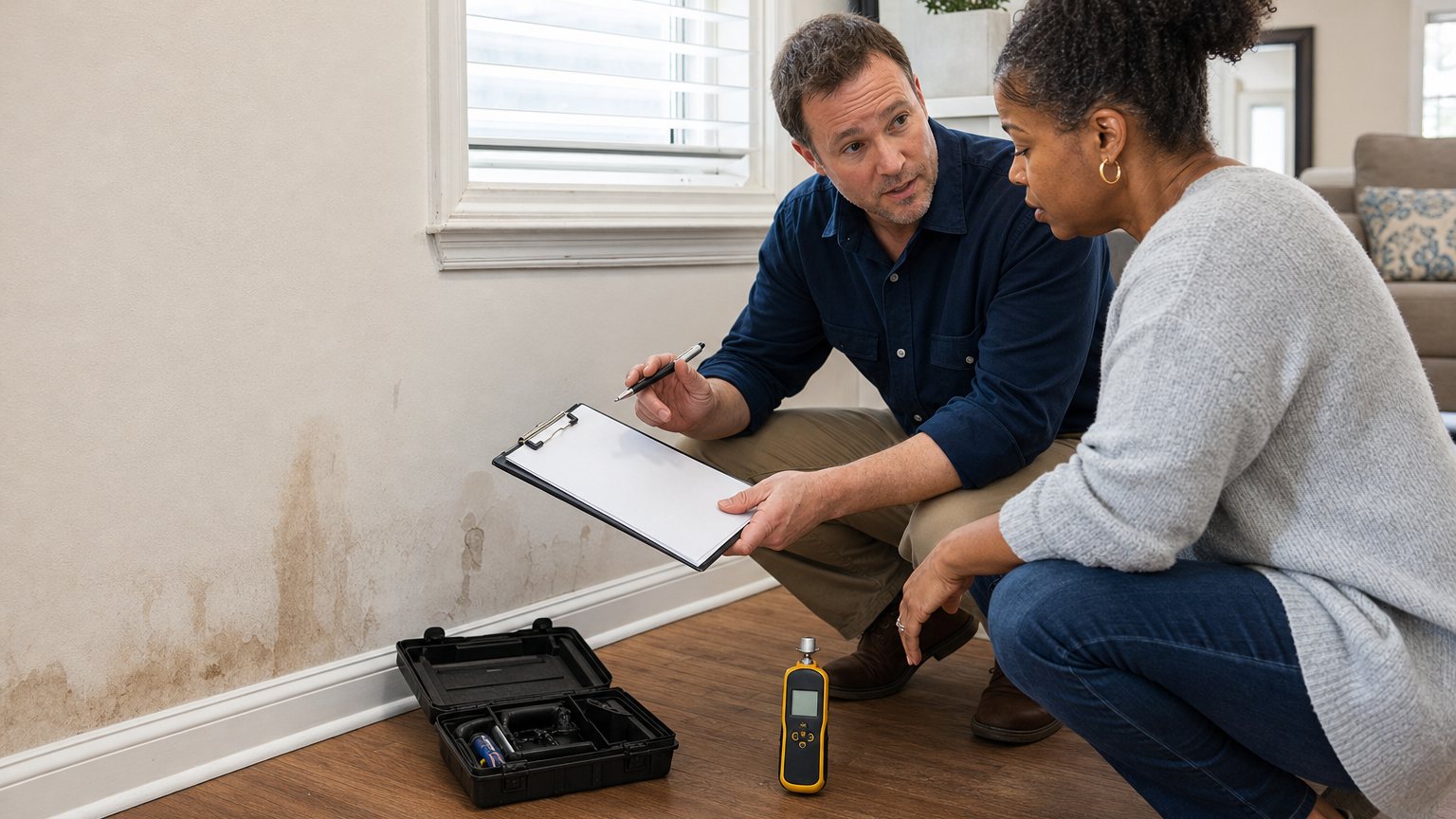
The terms are often used interchangeably, so the useful distinction is scope. Wiping a small amount of growth from a cleanable bathroom surface may be removal. Opening a wall after a leak, isolating the work area, removing wet materials, cleaning retained framing, and verifying drying is remediation. In Atlanta properties, a ceiling stain, damp baseboard, or musty HVAC closet may be the visible clue to moisture behind finishes.
Why Mold Spores Can Never Be 100% Eliminated
Mold spores cannot be completely eliminated from a normal occupied home because they are part of the outdoor environment and routinely enter through doors, windows, clothing, pets, ventilation, and air movement. EPA guidance states that eliminating all indoor mold and mold spores is virtually impossible; moisture control is what prevents ordinary background spores from becoming active indoor growth.
That does not mean visible mold must remain. A dry home can contain background spores without having active growth. Problems begin when spores settle on damp drywall, wood, dust, insulation, or other materials. A remediated area may stay clean long term, but a new leak, overflow, storm intrusion, or condensation can create a new problem.
This is why claims such as “permanent mold elimination” deserve caution. The better question is not whether you can get rid of mold forever under every possible future condition. It is whether the current growth, damaged materials, and moisture source were handled thoroughly enough to restore normal, dry conditions.
What “Fully Removed” Actually Means in Practice
In practice, “fully removed” means there is no remaining visible growth or unsalvageable mold-damaged material in the remediated area, no continuing moldy odor, and no unresolved moisture condition supporting regrowth. EPA guidance also emphasizes that cleanup is not complete until the water or moisture problem has been fixed and follow-up shows no new water damage or mold growth.
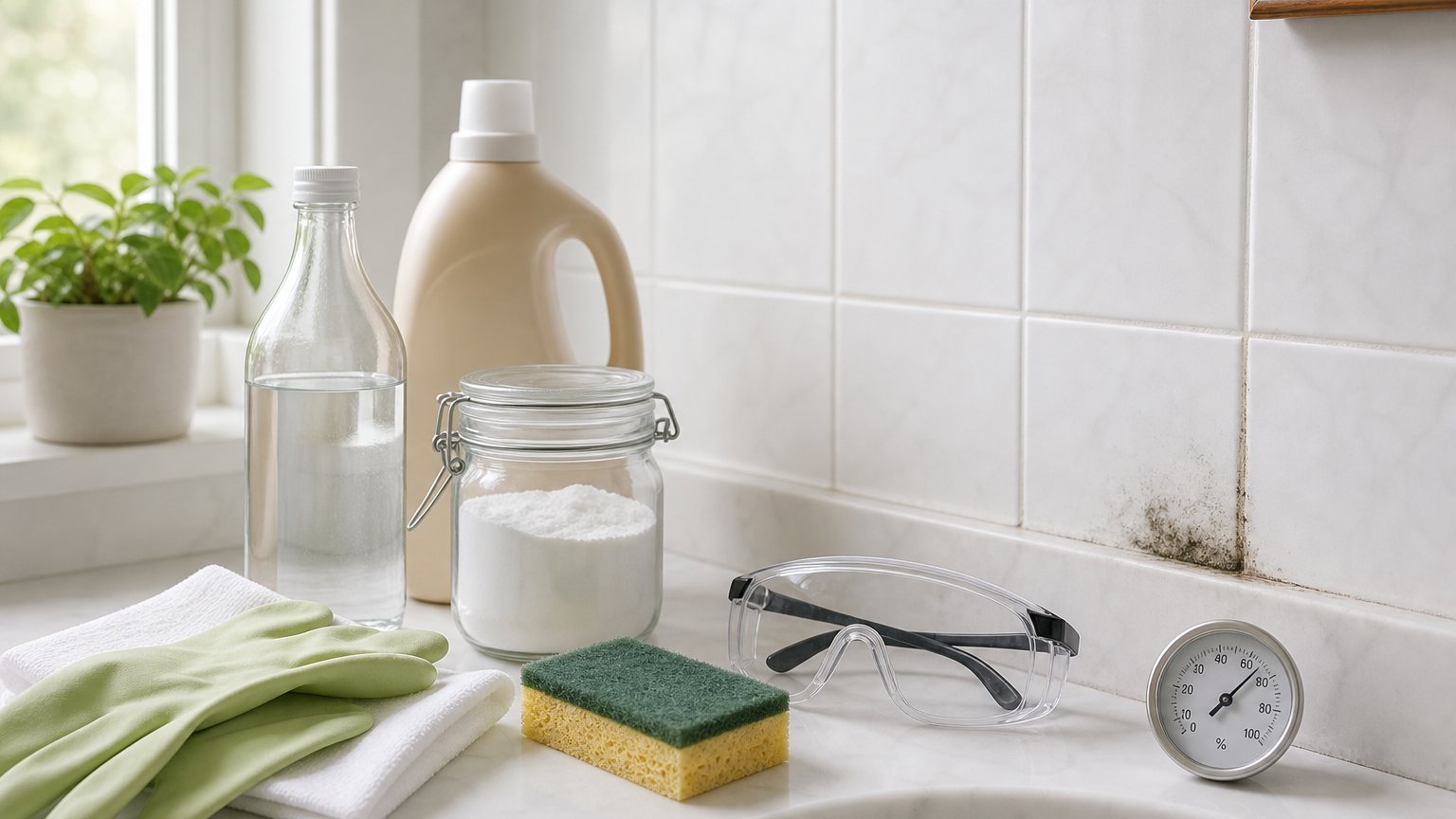
Treatment depends on the material. Hard, nonporous surfaces can often be cleaned with water and detergent and then dried completely. Porous materials such as ceiling tiles, carpet padding, heavily affected drywall, or insulation may be difficult or impossible to clean throughout and may require removal. Cosmetic staining can remain after successful cleanup, so appearance should be considered together with moisture, odor, and material condition.
The useful completion questions are simple: Was the source corrected? Were wet materials dried or removed? Is the area free of visible growth and musty odor? Has it stayed dry after rain and normal HVAC operation?
Why Mold Comes Back After a Bad Cleanup
Mold usually comes back because the cleanup addressed the visible symptom but not the moisture pathway or the full extent of affected material. Painting over discoloration, spraying a surface while the drywall behind it remains damp, or replacing a baseboard before the wall cavity dries can create a temporary cosmetic improvement while growth continues out of sight.
Leftover Moisture
Unresolved moisture is the most common reason mold returns. A slow roof leak may wet insulation before a ceiling stain appears. Plumbing can damp the back of a cabinet or wall, HVAC condensation can affect nearby materials, and a crawl space can remain damp even when the rooms above feel comfortable. Poor moisture control is also behind many recurring attic mold causes and fixes.
Atlanta’s warm periods and episodes of heavy rain can complicate drying when water reaches enclosed materials. A surface may feel dry while drywall, subflooring, insulation, or framing still holds moisture. Federal guidance stresses prompt drying and removal of materials that cannot be cleaned and dried.
Incomplete Containment
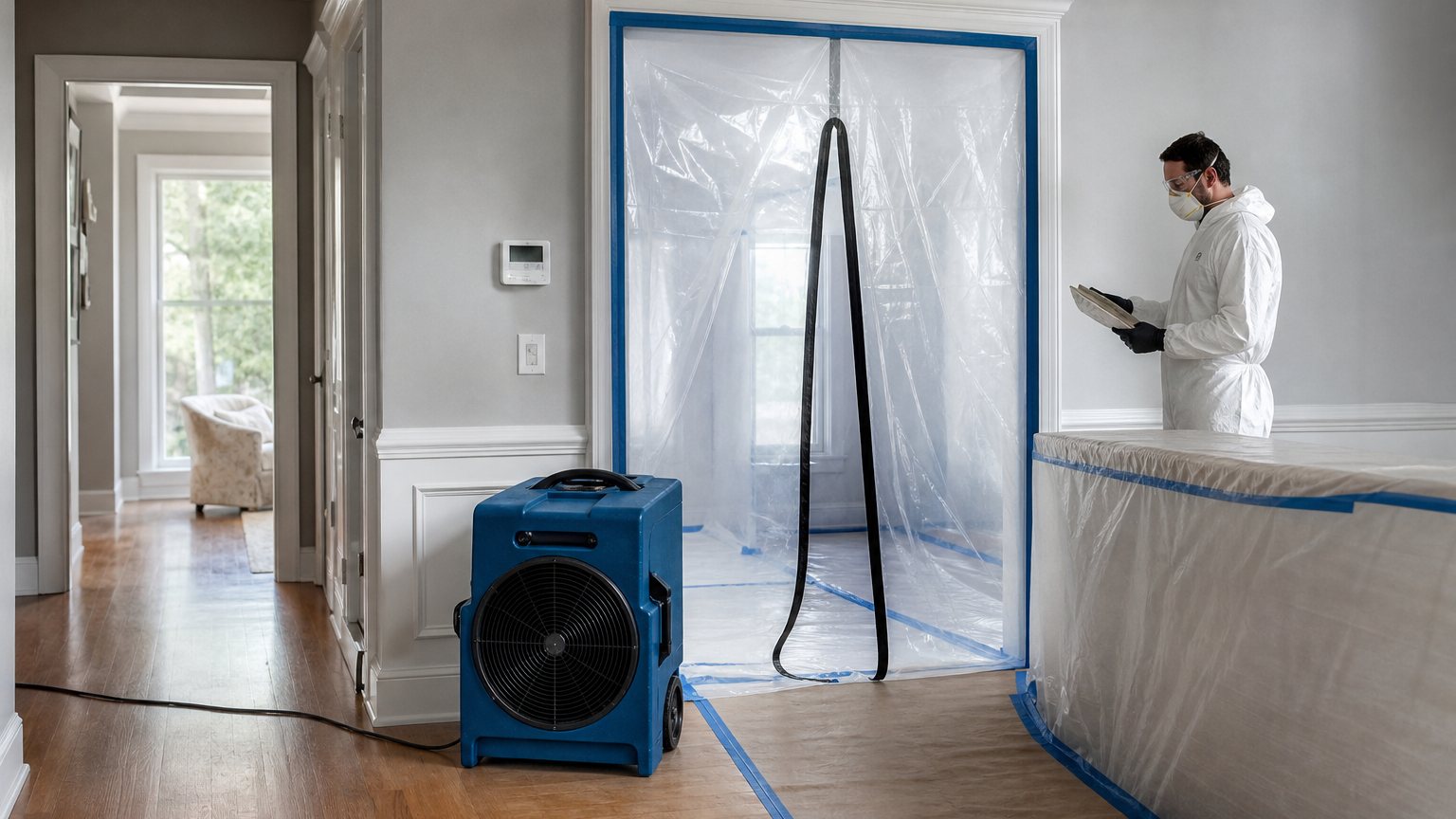
Incomplete containment can allow dust and mold particles disturbed during demolition or cleaning to spread beyond the original work area. The level of containment varies by project, but its purpose is to separate affected work from clean occupied areas and reduce cross-contamination. EPA guidance describes containment, controlled air movement, sealed disposal, and appropriate protective equipment as tools selected according to the job’s size and complexity.
A poor cleanup may leave contaminated porous material or demolition dust behind. Final cleaning can include damp wiping and HEPA vacuuming after unsalvageable material is removed and the area is dry.
Signs Your Remediation Was Successful
Successful remediation is shown by corrected moisture conditions and a clean, dry, stable area—not by a promise of zero spores. Useful signs include:
- The roof, plumbing, drainage, HVAC, or humidity issue has been corrected.
- Visible growth and unsalvageable mold-damaged materials are no longer present.
- The area has no persistent moldy or musty odor.
- Retained drywall, framing, subflooring, and other materials are dry.
- Removal dust and debris have been cleaned from the work area.
- Follow-up shows no renewed staining, dampness, water damage, or visible growth.
Testing can be useful when documentation or a defined verification plan is needed, but it is not the only measure of success. EPA guidance treats visual inspection, odor, moisture correction, and follow-up conditions as central indicators.
A space should also remain stable after normal use. For example, running the HVAC system should not produce new condensation around vents or equipment, and the next period of heavy rain should not create fresh ceiling staining or dampness around exterior walls. Recurring clues suggest that the original moisture pathway may still be active.
How Professionals Ensure Long-Term Results
Professionals support long-term results by treating remediation as a moisture-and-material problem rather than a one-product cleaning job. A sound process reviews the history of the water event, assesses visible and potentially concealed areas, distinguishes cleanable materials from items that need removal, applies appropriate work-area controls, and completes detailed cleaning, drying, and completion checks.
A ceiling or wall cavity should not be closed until the leak is repaired, affected materials are evaluated, and retained materials are dry. In rentals and commercial spaces, the plan may also need to account for occupants, shared HVAC pathways, contents, access, and documentation.
The scope of a proper remediation directly affects mold remediation cost in Georgia, which is worth understanding before you start. A small, accessible area with a known source differs from concealed growth across several rooms, HVAC involvement, extensive water damage, or a damp crawl space. Long-term performance depends more on defining the correct scope than on choosing the strongest-sounding chemical.
No contractor can control every future leak or moisture event. A careful process can, however, remove current growth, limit the spread of particles during the work, correct or coordinate correction of the source, and leave the affected area clean and dry.
What Trusted Public Health and Cleanup Guidance Emphasizes
Federal mold and disaster-cleanup guidance focuses on moisture control, safe handling, and complete drying rather than promises of a permanently spore-free building.
- Identify and correct the leak, condensation, humidity, drainage, or water-intrusion source.
- Clean suitable hard surfaces with an appropriate detergent method and dry them completely.
- Remove porous materials that cannot be adequately cleaned and dried.
- Use suitable gloves, eye protection, respiratory protection, and work-area controls when disturbing mold.
- Do not simply cover visible growth with paint or sealant.
- Seek qualified help when conditions are extensive, concealed, connected to major water damage, or too complex to handle safely.
Frequently Asked Questions
Does mold ever go away completely?
Active mold growth can be removed, but ordinary background spores will remain indoors. A successful outcome means the growth, damaged material, and moisture source have been addressed so those spores do not have damp conditions in which to grow.
Is mold removal permanent?
Mold removal can provide a long-lasting result when the source is corrected and the area stays dry. It cannot guarantee that mold will never return after a future roof leak, plumbing failure, flood, condensation problem, or sustained indoor humidity issue.
Can mold be completely removed from drywall?
Moldy or water-damaged drywall often requires removal because it is porous and may be affected below the surface. The wall cavity, insulation, framing, and moisture source should be evaluated before replacement drywall is installed.
Can Atlanta humidity make mold return after remediation?
Humidity can contribute to regrowth when indoor moisture remains high or condensation develops on building materials. It is sensible to check HVAC drainage, ventilation, crawl-space conditions, roof and plumbing leaks, and damp areas after heavy rain.
Talk to a Remediation Specialist
If you have noticed persistent moisture, water staining, a musty odor, or visible mold in an Atlanta-area home, rental, managed property, or small business, request an assessment to discuss the affected area and practical next steps. Share where the issue appears, when it started, whether there was a leak or storm event, and whether the condition returned after previous cleaning.