A musty odor near the first floor, damp insulation under the house, or dark spotting on joists can leave you wondering about mold in a crawl space and what to do next. In Atlanta, humid weather, heavy rain, leaks, HVAC condensation, and exposed soil can keep the area beneath a home damp long enough for growth. The right response is to identify the moisture source, determine the extent, and choose a cleanup plan that helps the space stay dry.
Quick Answer
- Check for standing water, wet insulation, condensation, leaks, damaged ground covering, and visible growth.
- Do not enter a crawl space with standing water, exposed wiring, sewage, animal hazards, or unsafe access.
- A small visible patch may not show the full extent of moisture behind insulation or along framing.
- Cleaning without fixing drainage, leakage, humidity, or ground moisture often leads to recurrence.
- Remediation may include source correction, material removal, detailed cleaning, drying, and moisture control.
- Encapsulation can help some homes, but it is not a substitute for correcting active water intrusion.
Why Crawl Spaces Are High-Risk for Mold in Georgia
Crawl spaces are vulnerable because they combine cool building surfaces, organic materials, limited air movement, and several moisture sources in one confined area. EPA guidance identifies high-humidity crawl spaces, particularly those with bare-earth floors, as common locations for hidden mold because moisture can evaporate from soil into the crawl-space air.
Atlanta’s typical summer pattern adds to that risk. The National Weather Service describes north and central Georgia summers as long spells of warm, humid weather. When that humid air reaches cooler ducts, pipes, subflooring, or framing, condensation can form even without a plumbing failure. An entrance may look dry while insulation farther inside remains damp.
Common Signs of Crawl Space Mold
The earliest signs are often moisture clues rather than obvious colonies. A persistent earthy odor, sagging insulation, condensation, or staining beneath the floor may appear before a homeowner sees visible growth.
Watch for:
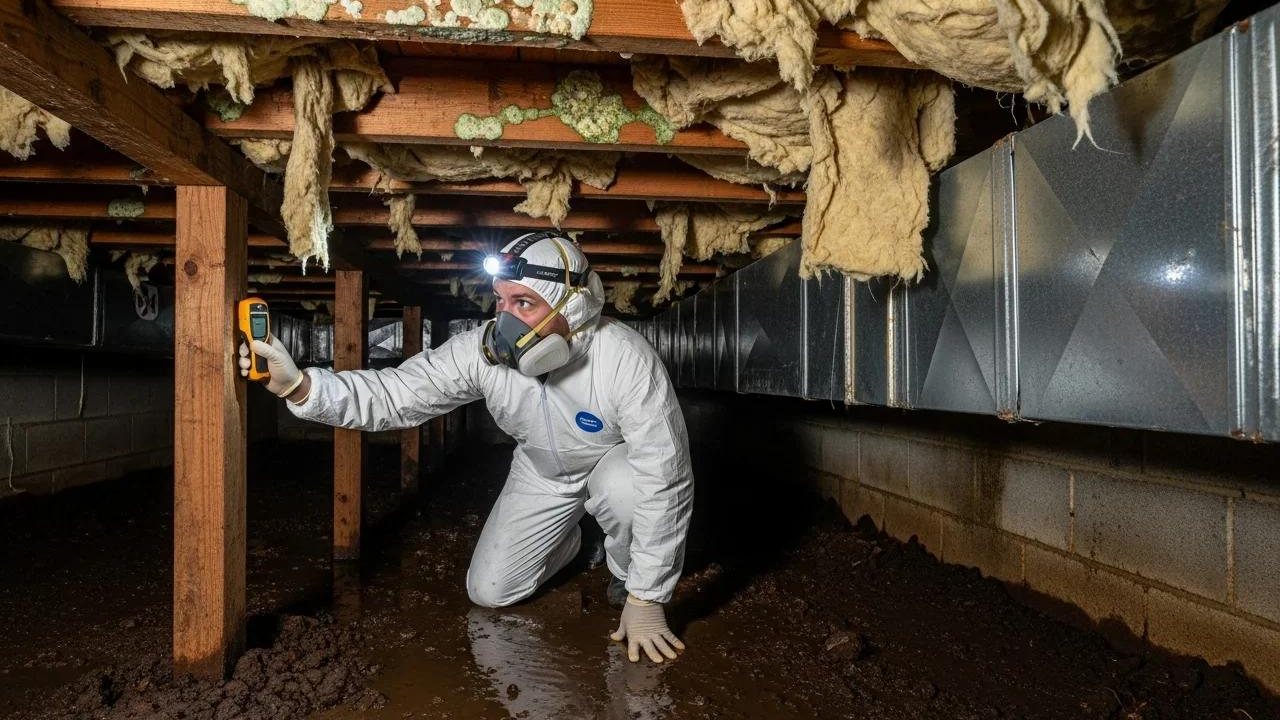
- Dark, white, greenish, or fuzzy-looking growth on joists, subflooring, piers, or stored materials.
- A musty odor near floor registers, closets, utility penetrations, or rooms above the crawl space.
- Damp, stained, sagging, or fallen insulation.
- Condensation on ducts, water lines, metal hangers, or HVAC components.
- Standing water, muddy soil, water marks, or a torn vapor barrier.
- Softened wood, rusted fasteners, or recurring discoloration.
Color alone cannot identify the source or extent. A small patch may sit beside concealed wet insulation, so the moisture pattern matters more than the color.
What Causes Moisture Buildup Underneath Homes
Moisture under a home usually comes from humid outdoor air, water moving across or through the ground, plumbing or HVAC leaks, or evaporation from exposed soil. This risk increases during periods of high mold activity Atlanta, especially after heavy rainfall.
Storms can expose weak drainage, short downspouts, low spots beside the foundation, or openings around utility penetrations. Plumbing lines, condensate drains, and ductwork create separate risks that may continue after the weather clears.
Poor Ventilation
Poor ventilation can contribute to stagnant conditions, but simply opening more vents is not always the answer in a humid climate. Department of Energy guidance explains that outdoor air entering a vented crawl space may contain more moisture than the air already inside, contributing to mold and structural moisture problems.
Vented versus sealed crawl-space decisions should be treated as a whole-building strategy. Closing vents without addressing drainage, ground moisture, air sealing, and humidity control can create new problems.
Groundwater and Drainage Issues
Water beneath a house may come from roof runoff, poor grading, clogged gutters, short downspouts, surface drainage, a high water table, or storm-related intrusion. EPA guidance recommends keeping foundations from remaining wet and directing drainage away from the building.
Wet soil concentrated along one wall, sediment lines, or puddling after rain may point to an exterior drainage problem rather than humidity alone. A dehumidifier cannot compensate for bulk water that continues entering the crawl space.
Damaged Vapor Barriers
A ground vapor barrier reduces moisture evaporating from soil into the crawl-space air. Missing, torn, loosely laid, or poorly sealed material can leave large areas of earth exposed.
A vapor barrier must work with drainage, leak repair, and an appropriate ventilation or conditioning plan. Covering wet soil while leaving active water unresolved only hides the symptom.
What Homeowners Can Safely Check Themselves
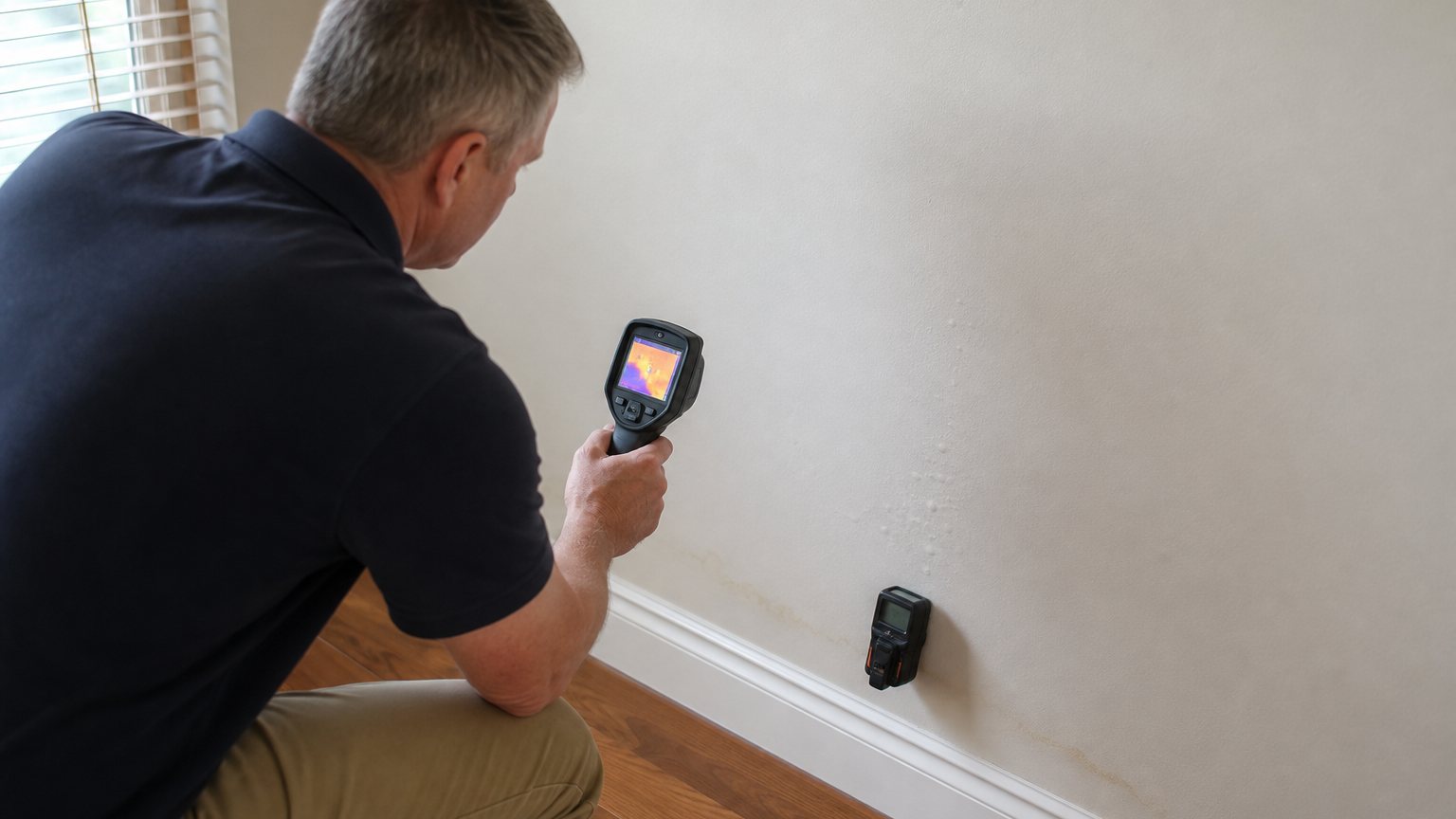
A homeowner can make a limited visual check from the access opening when the area is dry, stable, and free of obvious electrical, sewage, animal, or structural hazards. Use a flashlight to look for drips, wet soil, damaged ground covering, fallen insulation, condensation, staining, and visible growth without disturbing materials.
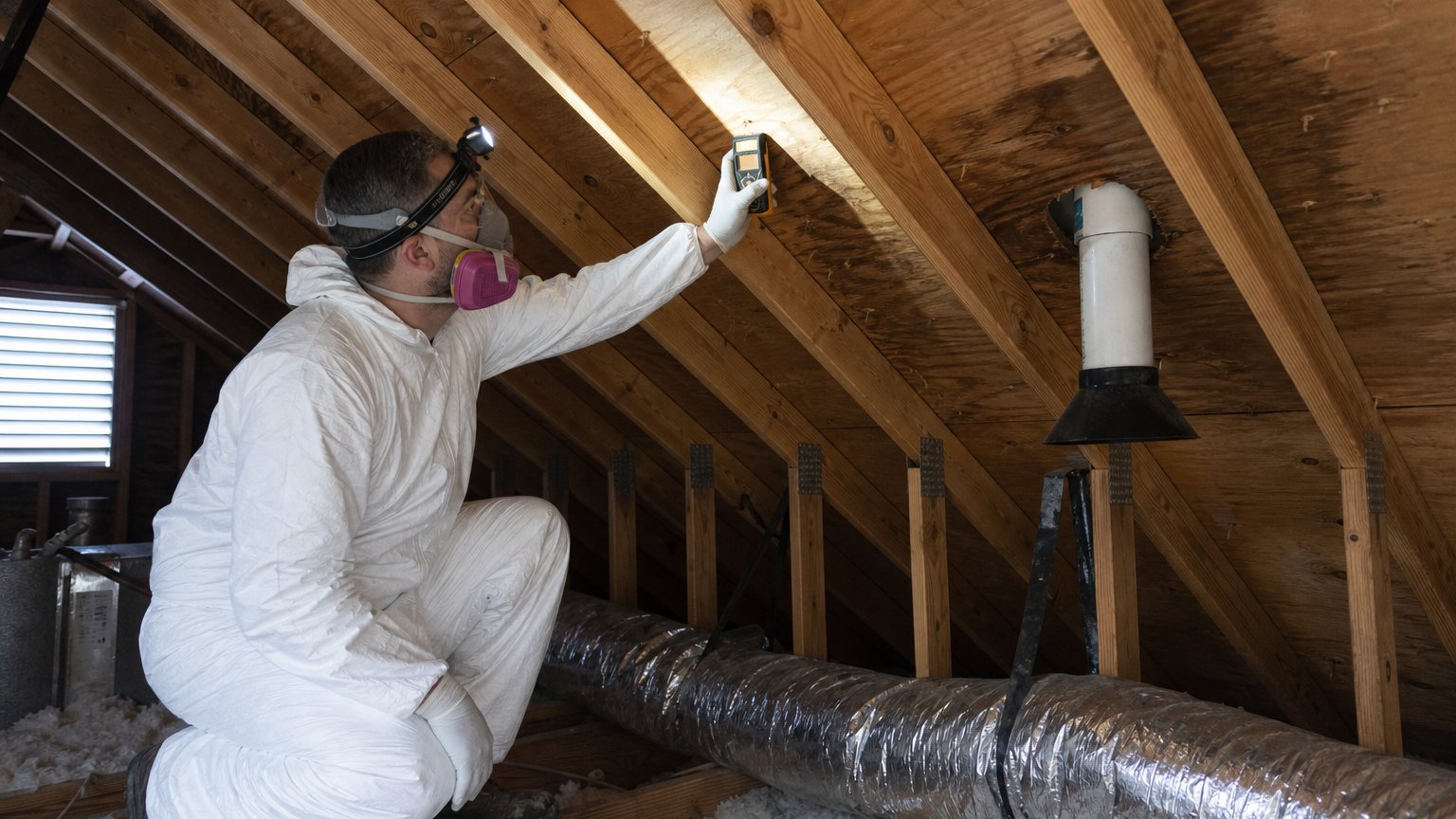
Do not enter where standing water, energized wiring, sewage, unstable structure, or unsafe clearance may be present. CDC cleanup guidance recommends at least an N95 respirator, gloves, and goggles when mold cleanup may disturb contamination. People with sensitivities or respiratory concerns may want to avoid disturbing visible mold and speak with a qualified healthcare professional about personal health questions.
EPA guidance says many small areas under roughly 10 square feet can sometimes be handled by homeowners, but crawl spaces add confined access, overhead contamination, hidden insulation, and difficult drying. Visible square footage alone should not determine whether the work is suitable for DIY.
What Professional Remediation Involves
Professional crawl space remediation should address both contaminated materials and the conditions that allowed them to become damp. The scope depends on access, affected surface area, insulation, drainage, HVAC equipment, the water source, and whether the problem extends toward occupied rooms.
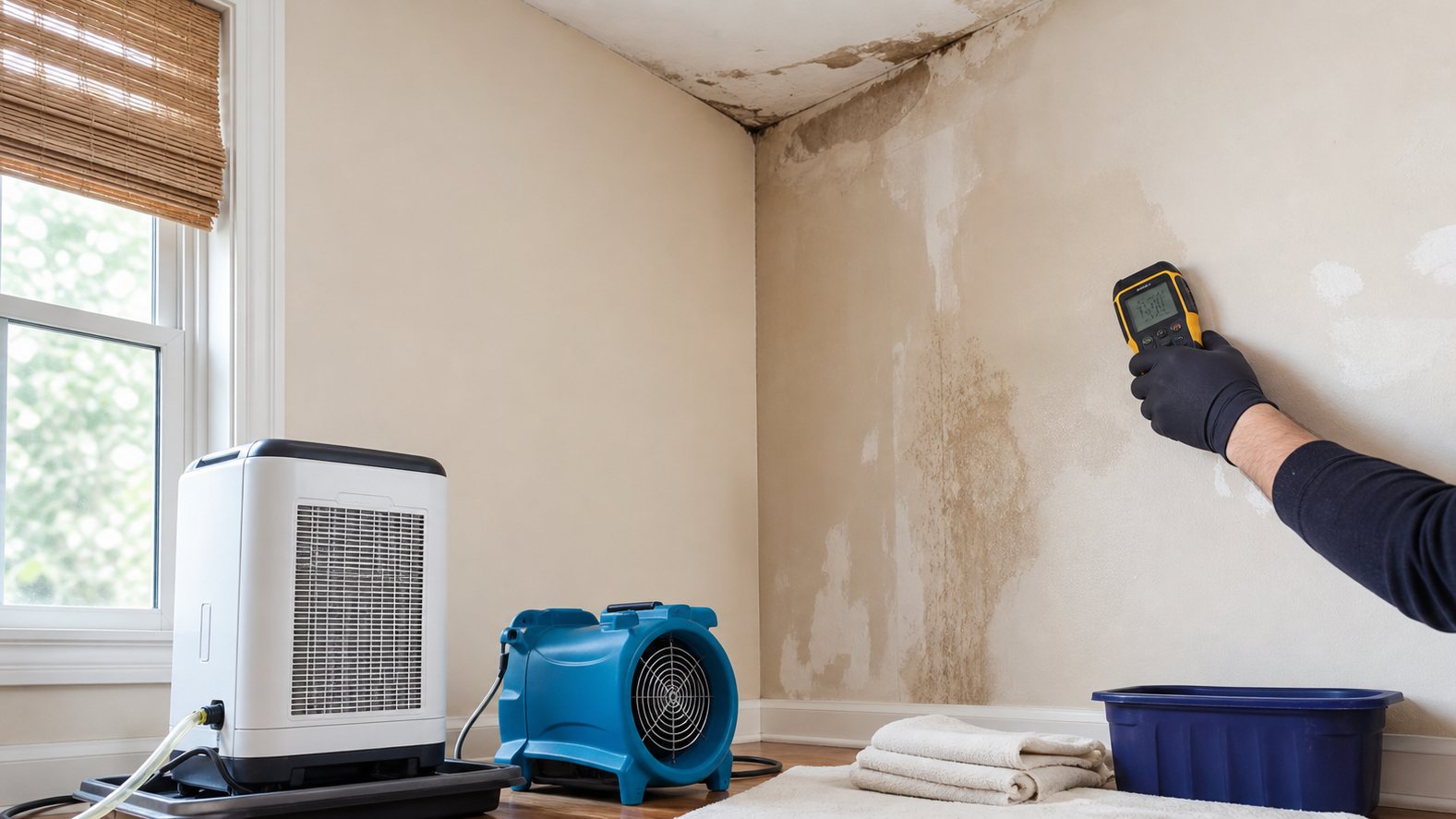
Work may include locating moisture sources, isolating the area where appropriate, removing wet or heavily contaminated insulation, cleaning framing, HEPA vacuuming, drying, and confirming conditions have improved. Testing can help answer a defined question, but it is not automatically required whenever mold is visible.
Crawl space work is one of the pricier categories covered in our mold remediation cost in Georgia breakdown. Limited access, contaminated insulation, drainage correction, and humidity-control changes can make similar-looking crawl spaces require different scopes. A proposal should explain what will be cleaned or removed and which moisture source will be addressed.
Encapsulation may be considered after cleanup, but it is not another word for remediation. Installing a liner over active water entry, mold growth, or wet materials does not correct the underlying condition.
Preventing Mold From Returning
Preventing recurrence means controlling the water and humidity that made the crawl space damp. The solution may include drainage improvements, leak repair, ground moisture control, air sealing, insulation changes, dehumidification, or a properly designed sealed crawl-space system.
Keep gutters and downspouts working, direct runoff away from the foundation, repair plumbing and condensate leaks, maintain an intact vapor barrier, and check ducts for condensation or damaged insulation. EPA guidance also recommends controlling humidity and responding quickly when condensation or wet materials are found.
After repairs, check the area after heavy rain and monitor humidity to confirm that framing, insulation, and soil are drying.
What Trusted Public Health and Cleanup Guidance Emphasizes
- Fix the moisture source as part of mold cleanup; removing visible growth alone is not enough.
- Dry or remove wet materials promptly; CDC guidance uses a 24-to-48-hour window after water entry.
- Use suitable respiratory, eye, and skin protection when disturbing contaminated materials.
- Do not treat bleach or a “mold-killing” spray as the complete solution.
- Seek qualified help when contamination is extensive, access is unsafe, sewage or floodwater is involved, HVAC systems are affected, or the extent cannot be determined.
Frequently Asked Questions
Can crawl space mold spread into the house?
Air and odors can move into occupied rooms through floor openings, duct leaks, and utility penetrations. That does not prove every indoor concern comes from below, but it supports checking the moisture source and air pathways.
Should I remove moldy crawl space insulation?
Wet, sagging, or heavily contaminated insulation often cannot be effectively cleaned and may need removal. Correct the moisture source before installing replacement material, or it may become damp again.
Does a vapor barrier stop crawl space mold?
A properly installed vapor barrier can reduce ground moisture, but it does not repair plumbing leaks, stop exterior water entry, or correct condensation. It works as one part of a broader moisture-control plan.
Is crawl space encapsulation always necessary in Atlanta?
No. It may suit some Atlanta-area homes, but the decision depends on drainage, ventilation, HVAC conditions, ground moisture, insulation, and the crawl space’s connection to the house.
Can I paint or spray over mold on floor joists?
Coating visible growth does not correct wet wood or remove contamination from the surface. The area should be evaluated, cleaned with an appropriate method, dried, and protected from renewed moisture before a coating is considered.
Request a Crawl Space Inspection
If you have noticed persistent moisture, damaged insulation, musty odors, standing water, or visible mold beneath an Atlanta property, request a crawl space assessment to discuss the affected area, likely moisture pathways, and practical next steps.