A musty odor that returns after cleaning, bubbling paint near a baseboard, or a damp wall after a storm can point to a moisture problem you cannot see. Mold hidden behind walls is usually found by tracing where water entered and which materials stayed damp—not by guessing from color or smell. In Atlanta, humid weather, heavy rain, leaks, and HVAC condensation can create moisture inside wall cavities.
Quick Answer
- A persistent musty odor with no visible source is a strong reason to investigate.
- Bubbling paint, softened drywall, staining, or warped trim may indicate moisture behind the finish.
- A past roof, plumbing, window, or HVAC leak matters even when the surface looks dry.
- Moisture meters and infrared cameras can locate suspicious areas, but they do not prove mold is present.
- Opening a wall without a containment plan can spread dust and disturb concealed growth.
- A useful inspection identifies the moisture source and likely extent of damage.
Common Warning Signs of Hidden Mold
The strongest warning signs combine moisture history, building damage, and a persistent odor. One clue alone does not confirm mold, but several in the same area make concealed moisture more likely. EPA guidance says hidden mold may be suspected when a building smells moldy but the source cannot be seen, or after water damage behind finished surfaces.
Musty Odors
A musty or earthy smell that stays concentrated near one wall, closet, cabinet, or HVAC chase deserves attention. It may become stronger after rain, when the air conditioner starts, or after a room has remained closed. Those patterns can narrow the search to pipe chases, exterior walls, ceiling transitions, supply vents, or areas behind built-in furniture.
A mold-like smell does not reveal the species, size, or exact location of growth. Damp carpet backing, a wet cabinet base, a crawl space, or an HVAC component can smell similar. EPA guidance still treats a persistent moldy odor as a reason to investigate rather than deodorize.
Discoloration or Bubbling Paint
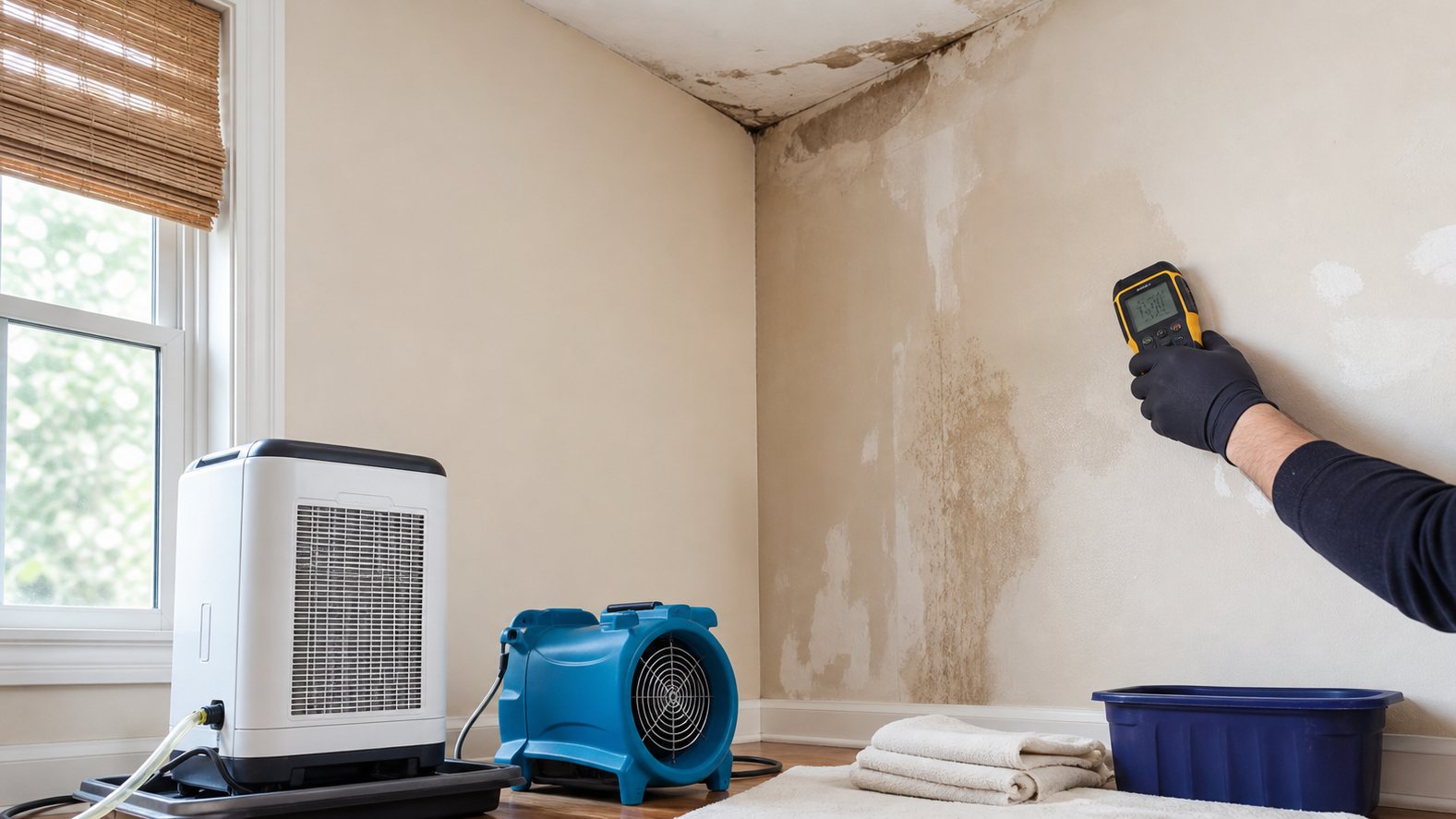
Paint and drywall often show moisture damage before concealed growth becomes visible. Watch for yellow or brown stains, gray shadowing near baseboards, peeling wallpaper, swollen trim, soft drywall, or paint that blisters again after repair. Damage below an upstairs bathroom, beside a window, or under a roof transition may reflect water that traveled through framing before reaching the visible surface.
These signs do not prove mold; they show that the wall assembly may have been wet. Drywall paper, insulation, framing, and adhesive can hold moisture, while vinyl coverings or paneling may slow drying. The EPA identifies the back side of drywall, wallpaper, and paneling as common hidden-mold locations.
Unexplained Allergy Symptoms
Sneezing, nasal irritation, itchy eyes, or coughing may occur in some people around damp or moldy environments, but symptoms cannot identify mold behind a particular wall. Pollen, dust, pets, and other irritants can cause similar reactions. CDC guidance recognizes possible allergic or irritant responses, while building evaluation still needs to focus on dampness, odor, damage, and moisture sources.
Notice patterns without trying to diagnose the cause yourself. If concerns consistently worsen in one room and improve away from the property, share that information with a qualified healthcare professional. People with sensitivities or respiratory concerns may want to avoid disturbing visible or suspected mold.
What Usually Causes Mold Behind Walls
Mold behind walls usually begins with water that entered a cavity and did not dry quickly enough. Common Atlanta-area sources include leaking supply lines, slow drain leaks, roof or flashing failures, wind-driven rain around windows, condensation on cold ducts or pipes, overflowing HVAC drain pans, and water that wicked into drywall after flooding.
Wall cavities are especially at risk after plumbing failures, since mold growth after a leak can begin within days. EPA materials commonly recommend drying water-damaged areas and items within 24 to 48 hours to reduce the chance of mold growth.
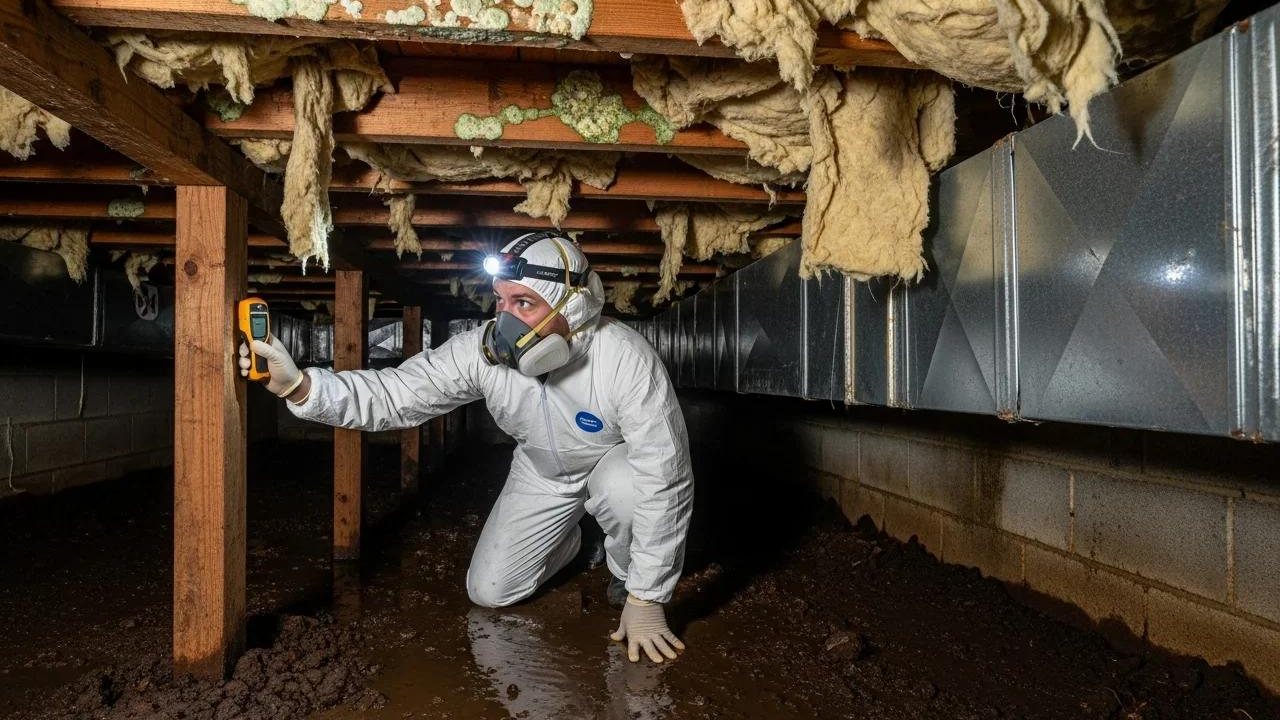
Atlanta’s warm, humid summer weather can slow drying where air movement is limited. A cold duct can collect condensation inside a humid cavity, while crawl-space moisture may move upward around penetrations. The real issue is the water path and the material that remained damp.
Why DIY Wall-Opening Can Be a Mistake
Opening a wall can create a larger problem when the moisture source and affected area are still unknown. Cutting drywall may disturb concealed growth, release contaminated dust, or damage plumbing and wiring. EPA guidance warns that hidden-mold investigations require caution because disturbing affected areas may spread mold through the building.
A careful surface check is safer than random demolition. Document stains, note where odors are strongest, inspect accessible attic or crawl-space areas, and record changes after rain or HVAC use. Avoid random holes, large-scale drywall removal, or blowing a fan across the area.
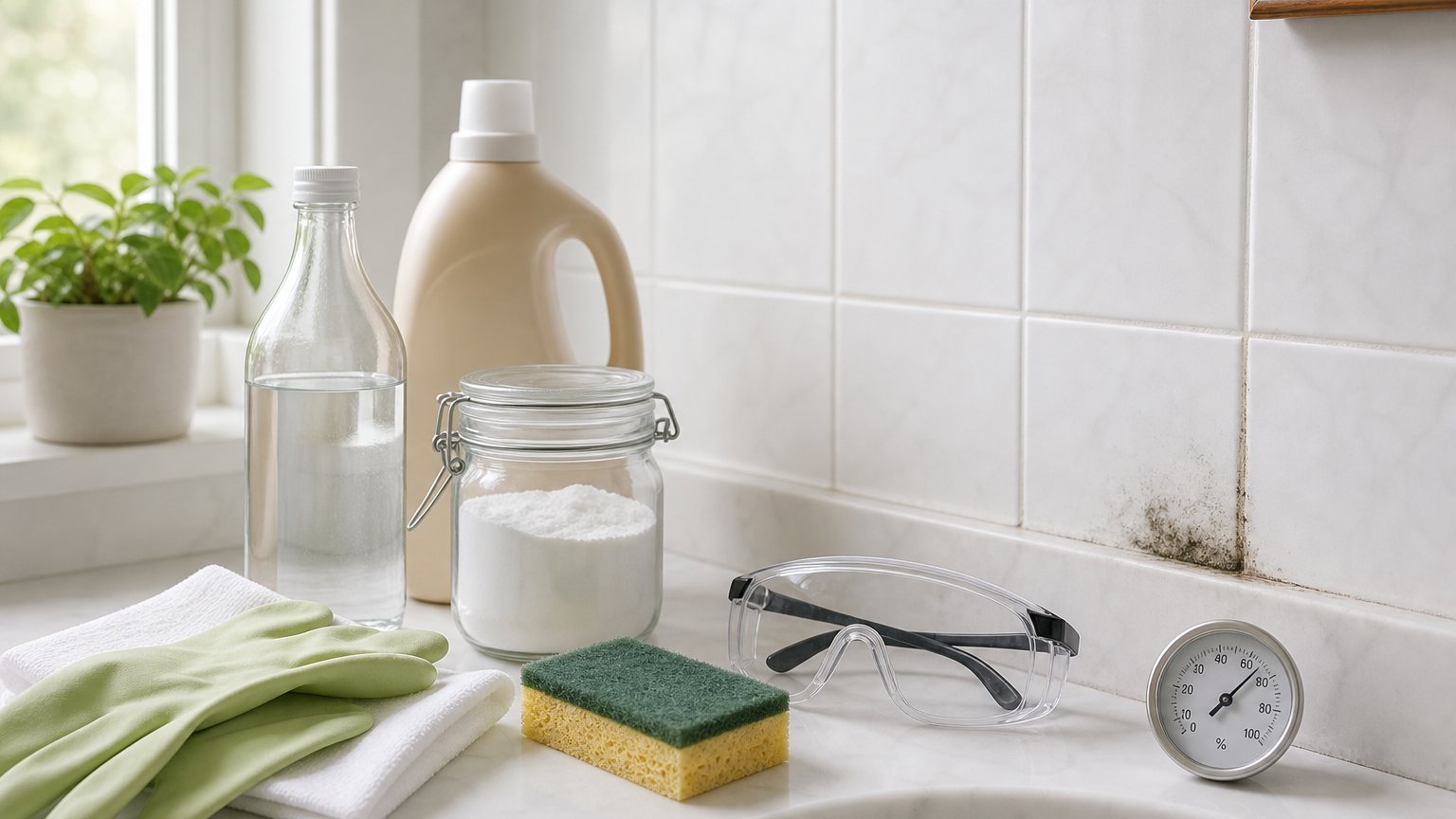
Small visible growth on a hard, accessible surface is different from wet insulation, moldy drywall paper, sewage-affected materials, or contamination inside an HVAC cavity. Porous materials may be difficult to clean completely once growth penetrates them, and the moisture source still has to be corrected.
How Professionals Detect Hidden Mold
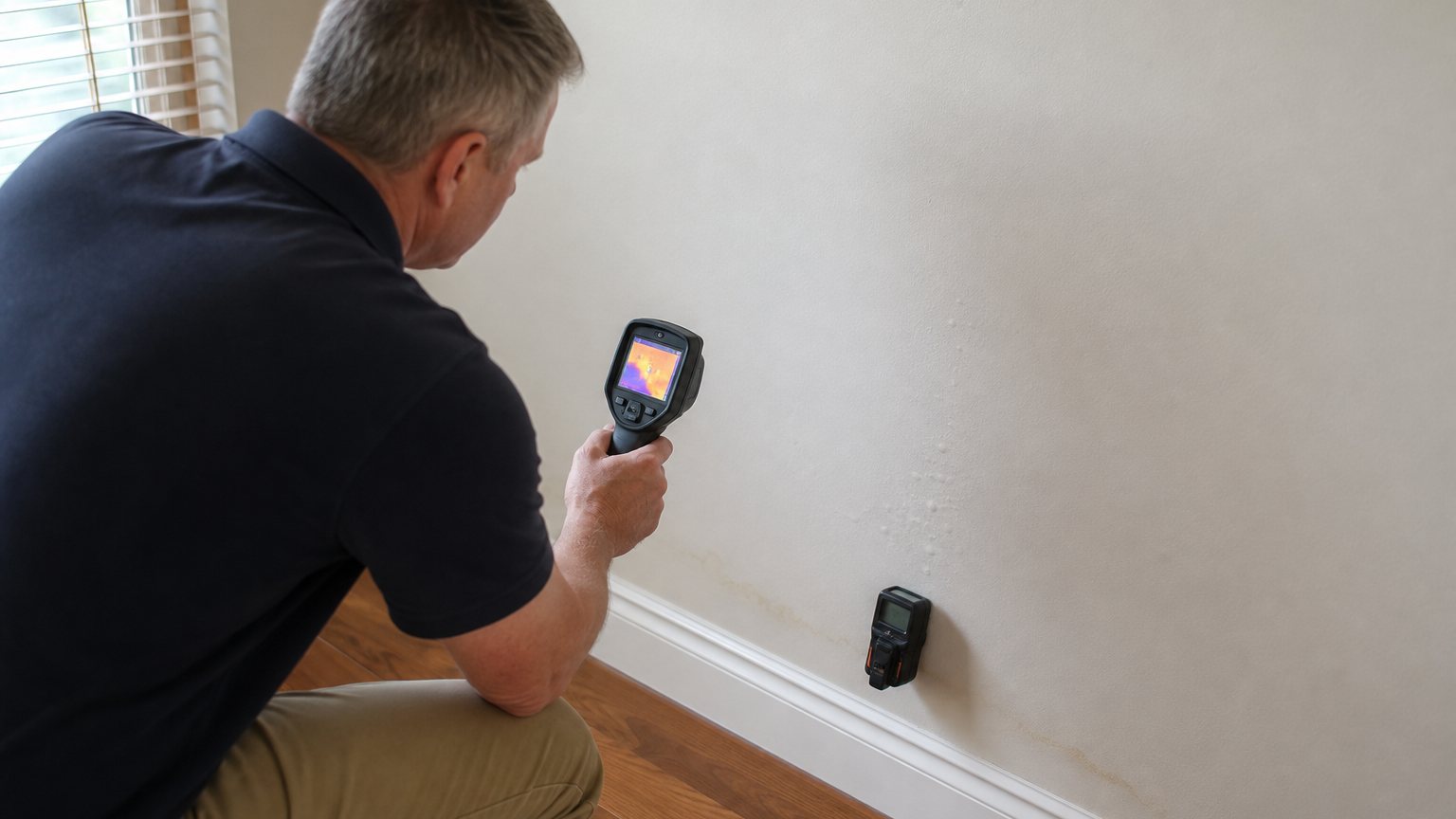
Hidden mold detection combines visual inspection, moisture tracing, building history, and targeted tools. The goal is to identify the water source, map abnormal moisture, and decide whether a limited opening or sampling would answer a specific question. No single device can confirm mold through a wall.
A moisture meter can compare suspicious drywall, trim, or flooring with nearby dry materials. Infrared imaging can reveal temperature patterns consistent with dampness, missing insulation, or air leakage, but it detects temperature differences rather than mold itself. A borescope may provide a view inside a cavity through a small, controlled opening. EPA and NIOSH materials identify moisture meters, borescopes, and infrared tools as useful in some hidden-moisture investigations.
Inspection should follow the water path: above a ceiling stain, outside a wall affected by wind-driven rain, beside a condensate system, or below recurring baseboard damage. The scope of hidden damage often affects mold remediation cost in Georgia, which is why an inspection comes first.
Air sampling is not automatically required. NIOSH says visual inspection and musty odors are often more reliable than routine short-term sampling, while EPA notes that no federal airborne mold limits can declare a building compliant or “safe.” Sampling should answer a defined question and be interpreted with the building evidence.
When to Call for an Inspection
An inspection makes sense when evidence points to concealed moisture but the source or extent cannot be confirmed safely. Consider an assessment after a leak reached drywall or insulation, when a musty odor persists without a visible source, when stains return after repainting, or when several rooms along the same plumbing or HVAC route show related damage.
Other triggers include dampness after heavy rain, softened drywall, swollen trim, condensation around ducts or pipes, and visible growth at an outlet or baseboard. Renters should report damage in writing and keep dated photos. Property managers and small businesses should document affected rooms, leak history, repairs, and whether odor or staining returns.
What Trusted Public Health and Cleanup Guidance Emphasizes
- Find and correct the leak, condensation, humidity, drainage, or flooding source.
- Dry water-damaged materials promptly rather than relying on surface appearance.
- Avoid painting or caulking over moldy or damp materials.
- Use appropriate protective measures and avoid disturbing suspected hidden growth without a plan.
- Remove porous materials when they cannot be cleaned and dried adequately.
- Seek qualified help for extensive, concealed, HVAC-related, sewage-affected, or otherwise complex conditions.
Frequently Asked Questions
Can mold grow behind drywall without showing on the front?
Yes. Moisture can wet the back paper of drywall, insulation, or framing while the painted surface still looks normal. A musty odor, past leak, elevated moisture reading, or damage near the baseboard may provide the first clue.
What does mold behind walls smell like?
It is often described as musty, earthy, or stale, but odor alone cannot confirm mold or locate it precisely. Note where the smell is strongest and whether it changes after rain, plumbing use, or HVAC operation.
Can a moisture meter detect mold behind drywall?
No. A moisture meter detects moisture conditions, not mold. It helps identify areas that may need closer investigation and allows comparison with known dry materials.
Do I need mold testing before opening a wall?
Not always. When there is clear water damage, visible growth, or an obvious moisture source, a targeted inspection may be more useful than routine air testing. Testing should answer a defined question that visual and moisture investigation cannot resolve.
Is hidden mold more likely after Atlanta storms?
Storms can increase the chance of concealed moisture when rain enters through roofing, flashing, windows, siding transitions, or lower walls. Actual risk depends on the building’s condition and whether wet materials were found and dried promptly.
Schedule a Hidden Mold Inspection
If you have noticed a persistent musty odor, recurring staining, damp drywall, or signs of an unresolved leak in an Atlanta property, request an assessment to discuss the suspected area, identify likely moisture pathways, and determine practical next steps.